ONAPGO (Apomorphine hydrochloride) injection, solution
1 INDICATIONS AND USAGE
ONAPGO is indicated for the treatment of motor fluctuations in adults with advanced Parkinson's disease.
ONAPGO is a dopaminergic agonist indicated for the treatment of motor fluctuations in adults with advanced Parkinson's disease. ( 1)
2 DOSAGE AND ADMINISTRATION
- For subcutaneous use by infusion only. ( 2.1)
- Maximum recommended total daily dosage of ONAPGO, including the continuous dosage and any extra dose(s), is 98 mg generally administered over the waking day (e.g., 16 hours). ( 2.3)
- The recommended initial continuous dosage is 1 mg/hr with a maximum of 6 mg/hr for up to 16 hours per day. ( 2.3)
- For patients who require an extra dose, initiate the first extra dose at 0.5 mg. Subsequent extra doses may be titrated in increments of 0.1 mg to 1 mg, based on clinical response and tolerability. The maximum extra dose is 2 mg. Administer with at least 3 hours between extra doses and a maximum of 3 extra doses per day. ( 2.3)
- Treatment with trimethobenzamide is recommended, starting 3 days prior to the first dose of ONAPGO, and should only be continued as long as necessary to control nausea and vomiting, and generally no longer than two months. ( 2.2, 5.2, 6.1, 17)
- ONAPGO is not substitutable for apomorphine products intended for intermittent use. ( 2.3)
- For patients with mild or moderate renal impairment, the recommended initial extra dose is 0.5 mg to 1 mg and should not exceed 1 mg. ( 2.5)
2.1 Important Information
- ONAPGO is indicated for subcutaneous use by infusion only [see Warnings & Precautions (5.1)] .
- Patients selected for treatment with ONAPGO should be capable of understanding and trained on using the delivery system, either themselves or with the assistance of a caregiver [see Healthcare Provider Instructions for Use and Patient Instructions for Use].
- ONAPGO initiation and dose titrations should be done under medical supervision.
- The prescribed dose of ONAPGO should be expressed in "mg/hr" for the continuous dosage and "mg" for an extra dose.
2.2 Premedication and Concomitant Medication
Because of the incidence of nausea and vomiting with ONAPGO, it is recommended that treatment with trimethobenzamide 300 mg three times a day start 3 days prior to the initial dose of ONAPGO [see Adverse Reactions (6.1)and Warnings and Precautions (5.2)] . Alternatively, consider starting ONAPGO therapy, without antiemetics, at 1 mg/hour and titrate based upon effectiveness and tolerance.
If trimethobenzamide is used, it should be continued only as long as necessary to control nausea and vomiting, and generally no longer than two months after initiation of treatment with ONAPGO, as trimethobenzamide increases the incidence of somnolence, dizziness, and falls in patients treated with ONAPGO [see Warnings and Precautions (5.2)] .
Based on reports of profound hypotension and loss of consciousness when apomorphine was administered with ondansetron, the concomitant use of apomorphine with drugs of the 5HT 3antagonist class including antiemetics (e.g., ondansetron, granisetron, dolasetron, palonosetron) and alosetron are contraindicated [see Contraindications (4)] .
After starting ONAPGO, adjustment of concomitant anti-Parkinson's disease medications may be necessary.
2.3 Recommended Dosage
ONAPGO (apomorphine hydrochloride) is administered as a subcutaneous infusion with the ONAPGO pump [see Dosage and Administration (2.3), Healthcare Provider Instructions for Use, and Patient Instructions for Use].
The daily dosage is determined by individualized patient titration and is composed of a continuous dosage and as needed extra dose(s).
The maximum recommended total daily dosage of ONAPGO, including the continuous dosage and any extra dose(s), is 98 mg per day, generally administered over the waking day (e.g., 16 hours).
Continuous Dosage
The recommended initial continuous dosage (continuous infusion) of ONAPGO is 1 mg/hr. Titrate the continuous dosage, as needed, in 0.1 mg/hr to 1 mg/hr increments. Dose adjustments may be made daily, or at longer intervals, through the titration process. Patients in clinical studies used a mean of 4 mg/hr of ONAPGO. The maximum continuous dosage is 6 mg/hour administered over the waking day (e.g., 16 hours).
Extra Dose
Extra doses of ONAPGO may be used:
- upon starting in the morning; or
- when restarting the continuous dosage after a 1-hour or longer break in use (i.e., as a loading dose); or
- as a supplement to the continuous dosage to manage acute OFF symptoms that are not controlled
For patients who require an extra dose, initiate the first extra dose at 0.5 mg. Subsequent extra doses may be titrated in increments of 0.1 mg to 1 mg, based on clinical response and tolerability. The maximum extra dose is 2 mg.
Administer no more than 3 extra doses per day over 16 hours with at least 3 hours between extra doses.
If 3 extra doses are routinely required during daily infusion, consider further adjustment of the continuous dosage.
The maximum recommended total daily dosage, including extra doses, is 98 mg during the waking day (e.g., 16 hours).
Other Apomorphine Medications
ONAPGO is not substitutable for apomorphine products intended for intermittent use. There is insufficient information about concomitant use of other apomorphine containing products with ONAPGO.
2.4 Preparation and Administration Instructions
Patients and caregivers should receive education and be trained on the proper use of ONAPGO and the device delivery system prior to first use [see Dosage and Administration (2.2)and Patient Instructions for Use].
- Visually inspect solution for particulate matter and discoloration prior to administration. Solution should be clear, almost colorless. Do not use if solution is discolored or contains particles.
- Keep the infusion site clean and use aseptic technique.
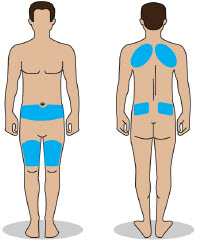
- Administer ONAPGO subcutaneously in one of the following areas:
- Abdomen at least 2 inches away from the navel
- Top of thigh
- Lower back
- Upper back, only when the infusion site is being prepared by a caregiver or healthcare provider
- Change the infusion site every day
- Do notselect an infusion site that is bruised, has bumps or nodules, or is irritated.
- A new single-dose cartridge and cartridge holder should be used each day. Discard unused portion.
2.5 Recommended Dosage in Patients with Renal Impairment
For patients with mild or moderate renal impairment, the recommended initial extra dose is 0.5 mg to 1 mg and should not exceed 1 mg [see Clinical Pharmacology (12.3)and Use in Specific Populations (8.6)]. No adjustment is needed for the continuous dose, maximum recommended daily dose, or subsequent extra doses after the initial extra dose [see Dosage and Administration (2.3)]. Patients with severe renal impairment have not been studied.
2.6 Discontinuation of ONAPGO
Sudden discontinuation or rapid dose reduction of ONAPGO could result in increased severity of Parkinson's disease motor symptoms. If possible, ONAPGO should be tapered before discontinuing.
3 DOSAGE FORMS AND STRENGTHS
Injection: 98 mg/20 mL (4.9 mg/mL) apomorphine hydrochloride is a clear, almost colorless solution available in a single-dose prefilled cartridge.
Injection: 98 mg/20 mL (4.9 mg/mL) of apomorphine hydrochloride in single-dose cartridges. ( 3)
4 CONTRAINDICATIONS
ONAPGO is contraindicated in patients:
- Using concomitant 5HT 3antagonists, including antiemetics (e.g., ondansetron, granisetron, dolasetron, palonosetron) and alosetron [see Drug Interactions (7.1)] . There have been reports of profound hypotension and loss of consciousness when apomorphine was administered with ondansetron.
- With hypersensitivity/allergic reaction to apomorphine or any of the excipients of ONAPGO, including sulfite (i.e., sodium metabisulfite). Angioedema or anaphylaxis may occur [see Warnings and Precautions (5.13)].
5 WARNINGS AND PRECAUTIONS
- Subcutaneous use only; thrombus formation and pulmonary embolism have followed intravenous administration of ONAPGO. ( 5.1)
- May cause nausea and vomiting. ( 2.2, 5.2)
- Falling asleep during activities of daily living and daytime somnolence may occur. ( 5.3)
- May cause hypotension/orthostatic hypotension and syncope may occur. ( 5.4)
- May cause or increase the risk of falls. ( 5.5)
- May cause infusion site reactions and infections. Monitor and change infusion site every day. ( 2.4, 5.6)
- May cause hallucinations and psychotic-like behavior. ( 5.7)
- May cause dyskinesia or exacerbate pre-existing dyskinesia. ( 5.8)
- May cause hemolytic anemia. ( 5.9)
- May cause impulse control/compulsive and impulsive behaviors. Consider dose reductions or stopping ONAPGO. ( 5.10)
- May cause cardiac events. ( 5.11)
- May prolong QTc and cause torsades de pointes or sudden death. ( 5.12)
5.1 Serious Adverse Reactions After Intravenous Administration
Do not administer ONAPGO intravenously. Following intravenous administration of apomorphine, serious adverse reactions including thrombus formation and pulmonary embolism caused by intravenous crystallization of apomorphine have occurred.
5.2 Nausea and Vomiting
ONAPGO is known to cause nausea and vomiting, which may be severe. In Study 1 [see Clinical Studies (14)] 87% of patients were pretreated with an antiemetic. Twenty-two percent of patients treated with ONAPGO reported nausea and 7% reported vomiting, compared to 9% and 4%, respectively, of patients who received placebo. The ability of concomitantly administered antiemetic drugs (other than trimethobenzamide) to reduce apomorphine-associated nausea/vomiting has not been studied. Antiemetics with anti-dopaminergic actions (e.g., haloperidol, chlorpromazine, promethazine, prochlorperazine, metoclopramide) have the potential to worsen the symptoms in patients with Parkinson's disease (PD) and therefore the benefits and risks of treatment with these antiemetics should be carefully considered. The use of ONAPGO with 5HT 3antiemetics is contraindicated.
5.3 Falling Asleep During Activities of Daily Living and Somnolence
Somnolence is commonly associated with ONAPGO .Patients treated with dopaminergic medications, including apomorphine, have also reported falling asleep while engaged in activities of daily living, including the operation of motor vehicles, which sometimes resulted in accidents. Patients may not perceive warning signs, such as excessive drowsiness, or they may report feeling alert immediately prior to the event. In the double-blind placebo-controlled trial (Study 1), somnolence was reported in 22% of patients treated with ONAPGO and 4% of patients in the placebo group.
Falling asleep while engaged in activities of daily living usually occurs in patients experiencing preexisting somnolence, although patients may not give such a history. Therefore, prescribers should reassess patients for drowsiness or sleepiness while using ONAPGO, especially because some of the events occur well after the start of treatment. Prescribers should also be aware that patients may not acknowledge drowsiness or sleepiness until directly questioned about drowsiness or sleepiness during specific activities.
Before initiating treatment with ONAPGO, advise patients of the risk of drowsiness and ask them about factors that could increase the risk with ONAPGO, such as concomitant sedating medications and the presence of sleep disorders. If a patient develops significant daytime sleepiness or falls asleep during activities that require active participation (e.g., conversations, eating, etc.), ONAPGO should ordinarily be discontinued. If a decision is made to continue ONAPGO, patients should be advised not to drive and to avoid other potentially dangerous activities. There is insufficient information to determine whether dose reduction will eliminate episodes of falling asleep while engaged in activities of daily living.
5.4 Syncope/Hypotension/Orthostatic Hypotension
Dopamine agonists, including ONAPGO, may cause orthostatic hypotension at any time, but especially during dose escalation. Patients with PD may also have an impaired capacity to respond to an orthostatic challenge. For these reasons, PD patients being treated with dopaminergic agonists should be monitored for signs and symptoms of orthostatic hypotension, especially during dose escalation, and should be informed of this risk.
When evaluated at various times after dosing in Study 1, patients undergoing titration of ONAPGO showed an increased incidence (from 4.5% pre-dose to 44.4% post-dose) of systolic orthostatic hypotension (≥20 mm Hg decrease upon standing) compared to placebo (7.1% pre-dose to 16.3% post-dose). Similarly, increased incidences of diastolic orthostatic hypotension (≥10 mm Hg decrease upon standing) were noted in patients titrated with ONAPGO (4.5% pre-dose to 44.4% post-dose) compared to placebo (11.9% pre-dose to 30.2% post-dose). Through the 12-week treatment period, these differences in incidence rates for systolic and diastolic orthostatic hypotension remained similar between ONAPGO and placebo patients. Patients in both ONAPGO and placebo groups developed severe systolic orthostatic hypotension (≥40 mm Hg decrease) and/or diastolic orthostatic hypotension (≥20 mm Hg decrease).
In Study 1, 13% of patients treated with ONAPGO reported hypotension or orthostatic hypotension compared to 2% of patients who received placebo [hypotension (7% vs 0%), orthostatic hypotension (4% vs 2%), and orthostatic intolerance (2% vs 0%)]. In the double-blind period of Study 1, one patient (2%) experienced a serious adverse event of hypotension and withdrew from the study compared to none in placebo.
Syncope has been reported in patients who have received subcutaneous apomorphine.
Patients with PD may also have an impaired capacity to respond to an orthostatic challenge. For these reasons, PD patients being treated with dopaminergic agonists ordinarily require careful monitoring for signs and symptoms of orthostatic hypotension, especially during dose escalation, and should be informed of this risk. Patients should avoid alcohol when using ONAPGO [see Drug Interactions (7.3)] . Patients taking ONAPGO should lie down before and after taking sublingual nitroglycerin. Other vasodilators and antihypertensives may also increase the hypotensive effects of ONAPGO. Monitor blood pressure for hypotension and orthostatic hypotension in patients taking ONAPGO with concomitant antihypertensive medications or vasodilators [see Drug Interactions (7.2)].
5.5 Falls
Patients with Parkinson's disease are at risk of falling due to underlying postural instability, possible autonomic instability, and syncope caused by the blood pressure lowering effects of the drugs used to treat Parkinson's disease. ONAPGO might increase the risk of falling by simultaneously lowering blood pressure and altering mobility [see Warnings and Precautions (5.4)and Clinical Pharmacology (12.2)]. Falls, including serious falls, have been reported in patients treated with apomorphine.
5.6 Infusion Site Reactions and Infections
ONAPGO can cause infusion site reactions and infections.
In Study 1, one or more infusion site reactions were reported in 63% of patients treated with ONAPGO and 15% in patients who received placebo. Various types of reactions at the infusion site have been reported including nodules, erythema, hematomas, inflammation, pruritus, swelling, discoloration, hemorrhage, hypersensitivity, induration, edema, pain, rash, or bruising [see Adverse Reactions (6.1)] . In Study 1, 2% of patients treated with ONAPGO and no patient who received placebo discontinued treatment because of an infusion site reaction.
Infusion site infections occurred in 4% of patients treated with ONAPGO compared to no patients who received placebo. The most frequent infusion site infection reported was cellulitis. If an infection is suspected at the infusion site, the cannula should be removed from the infusion site. If the cannula is removed for an infection, a new cannula should be placed at a new infusion site. In the event of a prolonged interruption of treatment with ONAPGO, the patient should be prescribed oral medications to treat their Parkinson's disease [see Dosage and Administration (2.4)].
5.7 Hallucinations/Psychotic-Like Behavior
In Study 1, 4% of patients treated with ONAPGO reported hallucinations compared to 4% of patients who received placebo. Psychotic disorder was reported in 2% of patients treated with ONAPGO compared to none who received placebo.
Postmarketing reports with intermittent subcutaneous apomorphine indicate that patients may experience new or worsening mental status and behavioral changes, which may be severe, including psychotic-like behavior after starting or increasing the dose of apomorphine. Other drugs prescribed to improve the symptoms of PD can have similar effects on thinking and behavior. This abnormal thinking and behavior can consist of one or more of a variety of manifestations, including paranoid ideation, delusions, hallucinations, confusion, disorientation, aggressive behavior, agitation, and delirium. Consider the risks and benefits prior to initiating treatment with ONAPGO in patients with a major psychotic disorder because of the risk of exacerbating psychosis. In addition, certain medications used to treat psychosis may exacerbate the symptoms of PD and may decrease the effectiveness of ONAPGO [see Drug Interactions (7.3)] .
5.8 Dyskinesia
ONAPGO may cause dyskinesia or exacerbate pre-existing dyskinesia. In Study 1, dyskinesia or worsening of dyskinesia was reported in approximately 15% of patients treated with ONAPGO compared to no patients who received placebo.
5.9 Hemolytic Anemia
Hemolytic anemia requiring hospitalization has been reported with apomorphine treatment in a postmarketing setting. Many of the reported cases included positive direct antiglobulin test (Coombs test), suggesting a potential immune-mediated hemolysis. Severe anemia, angina, and dyspnea have occurred with hemolytic anemia. Some patients were treated with high dose glucocorticoids or blood transfusions. Hemolytic anemia can occur at any time after apomorphine treatment. If a patient develops anemia while taking ONAPGO, consider a workup for hemolytic anemia. If hemolytic anemia occurs, consider discontinuing treatment with ONAPGO. In Study 1, hemolytic anemia was reported in 2% of patients treated with ONAPGO compared to no patient who received placebo.
5.10 Impulse Control/Compulsive Behaviors
Patients may experience intense urges to gamble, increased sexual urges, intense urges to spend money uncontrollably, and other intense urges and the inability to control these urges while taking one or more of the medications, including ONAPGO, that increase central dopaminergic tone and that are generally used for the treatment of PD. In some cases, although not all, these urges were reported to have stopped when the dose was reduced, or the medication was discontinued. Because patients may not recognize these behaviors as abnormal, it is important for prescribers to specifically ask patients or their caregivers about the development of new or increased gambling urges, sexual urges, uncontrolled spending, or other urges while being treated with ONAPGO. Physicians should consider dose reduction or stopping the medication if a patient develops such urges while taking ONAPGO.
5.11 Cardiac Events
In Study 1, 4 patients treated with ONAPGO experienced cardiac disorders, including left bundle branch block (2%), myocardial infarction (2%), palpitations (2%), or tachycardia (2%), compared to no patients who received placebo. In patients treated with apomorphine subcutaneous injection, cardiac arrest and/or sudden death has occurred; some cases of angina and myocardial infarction occurred in close proximity to apomorphine dosing (within 2 hours), while other cases of cardiac arrest and sudden death were observed at times unrelated to dosing.
ONAPGO has been shown to reduce resting systolic and diastolic blood pressure and may have the potential to exacerbate cardiac (and cerebral) ischemia in patients with known cardiovascular and cerebrovascular disease. If patients develop signs and symptoms of cardiac or cerebral ischemia, prescribers should re-evaluate the continued use of ONAPGO.
5.12 QTc Prolongation and Potential for Proarrhythmic Effects
There is a dose-related prolongation of QTc interval after apomorphine exposure similar to that achieved with therapeutic doses of ONAPGO [see Clinical Pharmacology (12.2)] . In Study 1, 4% of patients treated with ONAPGO experienced prolonged QTc interval compared to none who received placebo.
Drugs that prolong the QTc interval have been associated with torsades de pointes and sudden death. The relationship of QTc prolongation to torsades de pointes is clearest for larger increases (20 msec and greater), but it is possible that smaller QTc prolongations may also increase risk, or increase it in susceptible individuals, such as those with hypokalemia, hypomagnesemia, bradycardia, concomitant use of other drugs that prolong the QTc interval, or genetic predisposition (e.g., congenital prolongation of the QT interval). Although torsades de pointes has not been observed in association with the use of ONAPGO at recommended doses in clinical studies, experience is too limited to rule out an increased risk. Palpitations and syncope may signal the occurrence of an episode of torsades de pointes.
The risks and benefits of ONAPGO treatment should be considered prior to initiating treatment with ONAPGO in patients with risk factors for prolonged QTc.
5.13 Hypersensitivity
In Study 1, 11% of patients treated with ONAPGO reported rash (4%), infusion site pruritus (4%), infusion site rash (2%), hypersensitivity (2%), or infusion site hypersensitivity (2%) compared to no patient who received placebo. Hypersensitivity/allergic reactions characterized by urticaria, rash, pruritus, and/or various manifestations of angioedema may occur because of ONAPGO or because of its sulfite excipient. ONAPGO contains sodium metabisulfite, a sulfite that may cause allergic-type reactions, including anaphylactic symptoms and life-threatening or less severe asthmatic episodes in certain susceptible people. The overall prevalence of sulfite sensitivity in the general population is unknown and probably low. Sulfite sensitivity is seen more frequently in asthmatic than in nonasthmatic people.
5.14 Fibrotic Complications
Cases of retroperitoneal fibrosis, pulmonary infiltrates, pleural effusion, pleural thickening, and cardiac valvulopathy have been reported in some patients treated with ergot-derived dopaminergic agents. While these complications may resolve when the drug is discontinued, complete resolution does not always occur. Although these adverse reactions are believed to be related to the ergoline structure of these dopamine agonists, whether other, non-ergot-derived dopamine agonists, such as ONAPGO, can cause these reactions is unknown.
5.15 Priapism
In clinical studies of intermittent apomorphine injection, painful erections were reported in 3 of 361 men treated with subcutaneous injection, and one patient withdrew from therapy because of priapism. Although no patients in the clinical studies required surgical intervention, severe priapism may require surgical intervention.
5.16 Retinal Pathology in Albino Rats
In a two-year carcinogenicity study of apomorphine in albino rats, retinal atrophy was detected at all subcutaneous doses tested (up to 0.8 mg/kg/day or 2 mg/kg/day in males or females, respectively; less than the maximum recommended human dose (MRHD) of 98 mg/day on a body surface area [mg/m 2] basis). Retinal atrophy/degeneration has been observed in albino rats treated with other dopamine agonists for prolonged periods (generally during two-year carcinogenicity studies). Retinal findings were not observed in a 39-week subcutaneous toxicity study of apomorphine in monkeys at doses up to 1.5 mg/kg/day, a dose similar to the MRHD on a mg/m 2basis. The clinical significance of the finding in rat has not been established but cannot be disregarded because disruption of a mechanism that is universally present in vertebrates (e.g., disk shedding) may be involved.
6 ADVERSE REACTIONS
The following clinically significant adverse reactions are described elsewhere in the labeling:
- Serious Adverse Reactions After Intravenous Administration [see Warnings and Precautions (5.1)]
- Nausea and Vomiting [see Warnings and Precautions (5.2)]
- Falling Asleep During Activities of Daily Living and Somnolence [see Warnings and Precautions (5.3)]
- Syncope/Hypotension/Orthostatic Hypotension [see Warnings and Precautions (5.4)]
- Falls [see Warnings and Precautions (5.5)]
- Infusion Site Reactions and Infections [see Warnings and Precautions (5.6)]
- Hallucinations/Psychotic-Like Behavior [see Warnings and Precautions (5.7)]
- Dyskinesia [see Warnings and Precautions (5.8)]
- Hemolytic Anemia [see Warnings and Precautions (5.9)]
- Impulse Control/Compulsive Behaviors [see Warnings and Precautions (5.10)]
- Cardiac Events [see Warnings and Precautions (5.11)]
- QTc Prolongation and Potential for Proarrhythmic Effects [see Warnings and Precautions (5.12)]
- Hypersensitivity [see Warnings and Precautions (5.13)]
- Fibrotic Complications [see Warnings and Precautions (5.14)]
- Priapism [see Warnings and Precautions (5.15)]
Most common adverse reactions (incidence ≥10% on ONAPGO and at least twice the rate of placebo) were infusion site nodule, nausea, somnolence, infusion site erythema, dyskinesia, headache, and insomnia. ( 6.1)
To report SUSPECTED ADVERSE REACTIONS, contact MDD US Operations, LLC, a subsidiary of Supernus Pharmaceuticals, Inc. at toll-free number 1-833-366-2746 or FDA at 1-800-FDA-1088 or www.fda.gov/medwatch.
6.1 Clinical Trials Experience
Because clinical trials are conducted under widely varying conditions, adverse reaction rates observed in the clinical trials of a drug cannot be directly compared to rates in the clinical trials of another drug and may not reflect the rates observed in clinical practice. A total of 197 Parkinson's disease patients were exposed to ONAPGO in Study 1 and subsequent open-label studies.
In Study 1 [see Clinical Studies (14)], the most common adverse reactions (incidence 10% or greater in patients treated with ONAPGO and at a rate at least twice the placebo rate) were infusion site nodule, nausea, somnolence, infusion site erythema, dyskinesia, headache, and insomnia.
Table 1 presents adverse reactions that occurred in ≥5% of patients treated with ONAPGO and that occurred more frequently than placebo in patients who were enrolled in Study 1.
Infusion Site Reactions
In Study 1, infusion site reactions were most commonly reported as nodule formation (44% of patients treated with ONAPGO compared to no patients who received placebo) or erythema (17% of patients treated with ONAPGO compared to 4% of patients who received placebo).
Less Common Adverse Reactions
Other adverse reactions, including hallucinations, psychotic disorder, impulse control disorder, prolonged QT interval, and infusion site infections [see Warnings and Precautions (5.6)] , have been reported in patients treated with ONAPGO [see Warnings and Precautions (5.7, 5.10. 5.12)].
Adverse Reactions Leading to Discontinuation of ONAPGO Treatment
Six (11%) patients treated with ONAPGO reported one of the following adverse reactions as the reason for discontinuing from Study 1: nausea, orthostatic intolerance, visual hallucination, gait disturbance, infusion site nodule, and hypotension. None of the patients who received placebo discontinued from Study 1 because of an adverse reaction.
6.2 Postmarketing Experience
The following adverse reactions have been identified during post-approval use of apomorphine. Because these reactions are reported voluntarily from a population of uncertain size, it is not always possible to reliably estimate their frequency or establish a causal relationship to drug exposure.
Hematologic and Lymphatic Systems: hemolytic anemia [see Warnings and Precautions (5.9)]
7 DRUG INTERACTIONS
7.1 5HT 3Antagonists
Based on reports of profound hypotension and loss of consciousness when apomorphine was administered with ondansetron, the concomitant use of ONAPGO with 5HT 3antagonists, including antiemetics (e.g., ondansetron, granisetron, palonosetron) and alosetron, is contraindicated [see Warnings and Precautions (5.4)].
7.2 Antihypertensive Medications and Vasodilators
In clinical studies with intermittent subcutaneous administration of apomorphine, the following adverse reactions were experienced more commonly in patients receiving concomitant antihypertensive medications or vasodilators (n=94) than in patients not receiving these medications (n=456): hypotension (10% vs 4%), myocardial infarction (3% vs 1%), [see Warnings and Precautions (5.4, 5.11)].
In a study of healthy subjects, concomitant administration of 0.4 mg sublingual nitroglycerin with subcutaneous apomorphine caused greater decreases in blood pressure than with subcutaneous apomorphine alone [see Clinical Pharmacology (12.3)]. Patients treated with ONAPGO should lie down before and after taking sublingual nitroglycerin to decrease the potential risks associated with hypotension .
7.3 Alcohol
In a study of healthy subjects, concomitant administration of high dose (0.6 g/kg) or low dose (0.3 g/kg) ethanol with apomorphine caused greater decreases in blood pressure than with apomorphine alone [see Clinical Pharmacology (12.3)] . Patients should be advised not to consume alcohol while treated with ONAPGO because it may cause greater decreases in blood pressure [see Warnings and Precautions (5.4)] .
7.4 Dopamine Antagonists
Because ONAPGO is a dopamine agonist, it is possible that concomitant use of dopamine antagonists, such as the neuroleptics (phenothiazines, butyrophenones, thioxanthenes) or metoclopramide, may diminish the effectiveness of ONAPGO. Antiemetics with anti-dopaminergic actions should be avoided [see Warnings and Precautions (5.2)]. Patients with major psychotic disorders, treated with neuroleptics, should be treated with dopamine agonists only if the potential benefits outweigh the risks [see Warnings and Precautions (5.7)].
7.5 Drugs Prolonging the QT/QTc Interval
Caution should be exercised when prescribing ONAPGO concomitantly with drugs that prolong the QT/QTc interval [see Warnings and Precautions (5.12)and Clinical Pharmacology (12.2)] .
8 USE IN SPECIFIC POPULATIONS
- Pregnancy: Based on animal data, may cause fetal harm. ( 8.1)
8.1 Pregnancy
Risk Summary
There are no adequate data on the developmental risk associated with use of ONAPGO in pregnant women. In animal reproduction studies, apomorphine had adverse developmental effects in rats (increased neonatal deaths) and rabbits (increased incidence of malformation) when administered during pregnancy at clinically relevant doses. These doses were also associated with maternal toxicity. In the U.S. general population, the estimated background risk of major birth defects and miscarriage in clinically recognized pregnancies is 2% to 4% and 15% to 20%, respectively. The background risk of major birth defects and miscarriage for the indicated population is unknown.
Data
Animal Data
No adverse developmental effects were observed when apomorphine (0.3, 1, or 3 mg/kg/day) was administered by subcutaneous injection to pregnant rats throughout organogenesis; the highest dose tested is less than the maximum recommended human dose (MRHD) of 98 mg on a mg/m 2basis. Administration of apomorphine (0.3, 1, or 3 mg/kg/day) by subcutaneous injection to pregnant rabbits throughout organogenesis resulted in an increased incidence of malformations of the heart and/or great vessels at the mid and high doses; maternal toxicity was observed at the highest dose tested. The no-effect dose (0.3 mg/kg/day) for adverse effects is less than the MRHD on a mg/m 2basis.
Apomorphine (0.3, 1, or 3 mg/kg/day), administered by subcutaneous injection to female rats throughout gestation and lactation, resulted in increased offspring mortality at the highest dose tested, which was associated with maternal toxicity. There were no effects on developmental parameters or reproductive performance in surviving offspring. The no-effect dose (1 mg/kg/day) for developmental toxicity is less than the MRHD on a mg/m 2basis.
8.2 Lactation
Risk Summary
There are no data on the presence of apomorphine in human milk, the effects on the breastfed infant, or the effects on milk production. The developmental and health benefits of breastfeeding should be considered along with the mother's clinical need for ONAPGO and any potential adverse effects on the breastfed infant from ONAPGO or from the underlying maternal condition.
8.4 Pediatric Use
Safety and effectiveness in pediatric patients have not been established.
8.5 Geriatric Use
In general, dose selection for an elderly patient should be cautious, usually starting at the low end of the dosing range, reflecting the greater frequency of decreased hepatic, renal, or cardiac function, and of comorbid disease or other drug therapy.
Clinical studies of ONAPGO did not include sufficient numbers of patients aged 65 and over to determine whether they respond differently from younger subjects. Clinical experience with intermittent subcutaneous use of apomorphine has shown that the following adverse reactions were reported more frequently in patients 65 years of age or older (n=311) compared to patients less than 65 years of age (n=239): confusion; hallucinations; serious adverse reactions (life-threatening events or events resulting in hospitalization and/or increased disability); falls (experiencing bone and joint injuries); cardiovascular events; respiratory disorders; gastrointestinal events; and discontinuation of treatment as a result of one or more adverse reactions.
8.6 Renal Impairment
The initial extra dose of ONAPGO should not exceed 1 mg in patients with mild or moderate renal impairment because of increased apomorphine concentration and exposure (C maxand AUC) in these patients. Studies in patients with severe renal impairment have not been conducted [see Dosage and Administration (2.5)and Clinical Pharmacology (12.3)].
8.7 Hepatic Impairment
Exercise caution and closely monitor if ONAPGO is administered to patients with mild or moderate hepatic impairment because of increased apomorphine concentration and exposure (C maxand AUC) in these patients. Studies in patients with severe hepatic impairment have not been conducted [see Clinical Pharmacology (12.3)] .
9 DRUG ABUSE AND DEPENDENCE
9.1 Controlled Substance
ONAPGO contains apomorphine, which is not a controlled substance.
9.2 Abuse
In premarketing clinical experience, apomorphine did not reveal any tendency for a withdrawal syndrome or any drug-seeking behavior. However, there are rare postmarketing reports of abuse of medications containing apomorphine. In general, these reports consist of patients taking increasing doses of medication in order to achieve a euphoric state. Abuse is the intentional, non-therapeutic use of a drug, even once, for its desirable psychological or physiological effects.
11 DESCRIPTION
ONAPGO (apomorphine hydrochloride) contains apomorphine hydrochloride hemihydrate, a non-ergoline dopamine agonist. It is chemically designated as 6aβ-aporphine-10,11-diol hydrochloride hemihydrate with a molecular formula of C 17H 17NO 2∙HCl∙½H 2O. Its structural formula and molecular weight are:
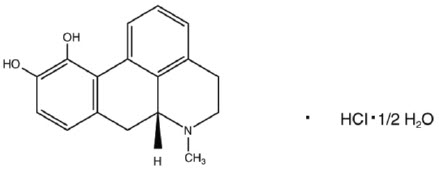
Apomorphine hydrochloride hemihydrate appears as minute, white or grayish-white glistening crystals or as white powder that is soluble in water at 80°C. ONAPGO injection is a clear, almost colorless, sterile solution for subcutaneous infusion and is available in 98 mg/20 mL (4.9 mg/mL) single-dose prefilled cartridges. The solution has a pH of 3.0-4.0. Each mL contains 4.9 mg of apomorphine hydrochloride (equivalent to 4.27 mg apomorphine) and 0.5 mg of sodium metabisulfite in water for injection. In addition, each mL may contain hydrochloric acid used to adjust the pH.
12 CLINICAL PHARMACOLOGY
12.1 Mechanism of Action
ONAPGO is a non-ergoline dopamine agonist with high in vitro binding affinity for the dopamine D4 receptor, and moderate affinity for the dopamine D2, D3, and D5, and adrenergic α1D, α2B, α2C receptors. The precise mechanism of action of ONAPGO as a treatment for Parkinson's disease is unknown, although it is believed to be due to stimulation of post-synaptic dopamine D2-type receptors within the caudate-putamen in the brain.
12.2 Pharmacodynamics
Prolongation of the QTc Interval and Cardiac Electrophysiology
In a thorough QT study, the mean increase in QTcF was 12.5 ms (90% two-sided upper confidence interval = 18.0 ms) after administration of a continuous dose of ONAPGO 6 mg/hr (maximum recommended infusion rate) in healthy subjects. A mean increase in QTcF of 14.6 ms (90% two-sided confidence interval = 20.1 ms) was observed at a dose and exposure similar to that expected with the maximum recommended total daily dosage of 98 mg. The maximum placebo-corrected increase in heart rate was 14.1 bpm (90% two-sided upper confidence interval = 17.4 bpm) at the dose and exposure similar to that expected with the maximum recommended total daily dose of 98 mg.
12.3 Pharmacokinetics
Absorption
After subcutaneous administration, apomorphine appears to have bioavailability equal to that of intravenous administration. Steady-state concentrations are reached in approximately two hours after initiation of a continuous dose. If an extra dose is administered at the initiation of the continuous dose [see Dosage and Administration (2.3)] , time to reach half (50%) of infusion steady-state concentrations can be shortened by 50-75%. If an extra dose is administered two hours or later following initiation of a continuous dose, the supplemental exposure from the extra dose reaches peak concentration in 20-40 minutes.
Distribution and Binding
The plasma-to-whole blood apomorphine concentration ratio is equal to one. Mean (range) apparent volume of distribution was 218 L (123 to 404 L). Protein binding in humans is 89% and concentration independent.
Elimination
The mean apparent clearance of apomorphine from plasma is 261 to 280 L/hr for ONAPGO with infusion rates ranging from 2 to 6 mg/hr. After administration of an extra dose, the mean elimination half-life is approximately 40 minutes.
Metabolism
Apomorphine metabolism is primarily via conjugation. Within 0.5 hours of administering a subcutaneous dose of 14C-apomorphine, only 8.3% of plasma radioactivity was apomorphine, while 83% was associated with apomorphine sulfate, 3.5% with apomorphine glucuronide, and 1% with nor-apomorphine glucuronide.
Excretion
Eighty-six percent of the subcutaneously administered dose of 14C-apomorphine was recovered in the urine within 48 hours as apomorphine sulfate, apomorphine glucuronide, and nor-apomorphine glucuronide. Another 4.6% of the administered dose was recovered in the feces over 144 hours as apomorphine sulfate, apomorphine glucuronide, and apomorphine.
Specific Populations
No clinically significant differences in the pharmacokinetics of apomorphine were observed based on age, gender, weight, duration of Parkinson's disease, levodopa dose, or duration of therapy.
Renal Impairment
In a study comparing patients with renal impairment (moderately impaired as determined by estimated creatinine clearance) to healthy matched volunteers, the AUC 0-infand C maxwere increased by approximately 16% and 50%, respectively, following a single subcutaneous administration of apomorphine into the abdominal wall. The mean time to peak concentrations and the mean terminal half-life of apomorphine were unaffected by the renal status of the individual. Studies in patients with severe renal impairment have not been conducted [see Dosage and Administration (2.5)and Use in Specific Populations (8.6)] .
Hepatic Impairment
In a study comparing patients with hepatic impairment (moderately impaired as determined by the Child-Pugh classification method) to healthy matched volunteers, the AUC 0-infand C maxvalues were increased by approximately 10% and 25%, respectively, following a single subcutaneous administration of apomorphine into the abdominal wall. Studies in patients with severe hepatic impairment have not been conducted [see Use in Specific Populations (8.7)] .
Drug Interaction Studies
Carbidopa/levodopa
Pharmacokinetics of levodopa were unchanged when subcutaneous apomorphine and levodopa were co-administered in patients. However, motor response differences were significant.
Ethanol and Nitroglycerin
Co-administration of low dose ethanol (0.3 g/kg), or nitroglycerin (0.4 mg) with an apomorphine injection dose of 6 mg in healthy individuals did not have a significant impact on the pharmacokinetics of apomorphine, but high dose ethanol (0.6 g/kg), equivalent to approximately 3 standardized alcohol-containing beverages, increased the C maxof apomorphine by about 63%. The hypotensive effect of apomorphine was increased by the concomitant use of alcohol or of sublingual nitroglycerin. When high-dose ethanol (0.6 g/kg) and subcutaneous apomorphine were concomitantly administered to healthy subjects, the mean largest decrease (the mean of each subject's largest drop in blood pressure measured within the 6-hour period following administration of subcutaneous apomorphine) for supine systolic and diastolic blood pressure was 9.1 mm Hg and 10.5 mm Hg, respectively. The mean largest standing systolic and diastolic blood pressure decrease was 11.3 mm Hg and 12.6 mm Hg, respectively. In some individuals, the decrease was as high as 61 mm Hg and 51 mm Hg, respectively, for standing systolic and diastolic blood pressure [see Warnings and Precautions (5.4), Drug Interactions (7.2, 7.3)].
Other Drugs Eliminated Via Hepatic Metabolism
Based upon an in vitrostudy, cytochrome P450 enzymes play a minor role in the metabolism of apomorphine. In vitrostudies have also demonstrated that drug interactions are unlikely due to apomorphine acting as a substrate, an inhibitor, or an inducer of cytochrome P450 enzymes.
COMT Interactions
A pharmacokinetic interaction of ONAPGO with catechol-O-methyl transferase (COMT) inhibitors or drugs metabolized by this route is unlikely because apomorphine appears not to be metabolized by COMT.
13 NONCLINICAL TOXICOLOGY
13.1 Carcinogenesis, Mutagenesis, Impairment of Fertility
Carcinogenesis
Lifetime carcinogenicity studies of apomorphine were conducted in male (0.1, 0.3, or 0.8 mg/kg/day) and female (0.3, 0.8, or 2 mg/kg/day) rats. Apomorphine was administered by subcutaneous injection for 22 months or 23 months, respectively. In males, there was an increase in Leydig cell tumors at the highest dose tested. This finding is of questionable significance because the endocrine mechanisms believed to be involved in the production of Leydig cell tumors in rats are not relevant to humans. No drug-related tumors were observed in females. The highest doses tested in males and females are less than the maximum recommended human dose (MRHD) on a mg/m 2basis.
In a 26-week carcinogenicity study in p53-knockout transgenic mice, there was no evidence of carcinogenic potential when apomorphine was administered by subcutaneous injection at doses up to 20 mg/kg/day in males or 40 mg/kg/day in females.
Mutagenesis
Apomorphine was mutagenic in the in vitrobacterial reverse mutation (Ames) and the in vitromouse lymphoma tkassays. Apomorphine was clastogenic in the in vitrochromosomal aberration assay in human lymphocytes and in the in vitromouse lymphoma tkassay. Apomorphine was negative in the in vivomicronucleus assay in mice.
Impairment of Fertility
Apomorphine was administered subcutaneously at doses up to 3 mg/kg/day to male and female rats prior to and throughout the mating period and continuing in females through gestation day 6. There was no evidence of adverse effects on fertility or on early fetal viability. A significant decrease in testis weight was observed in a 39-week study in cynomolgus monkeys at all subcutaneous doses tested (0.3, 1, or 1.5 mg/kg/day); the highest dose tested is less than the MRHD on a mg/m 2basis.
In a published fertility study, apomorphine was administered to male rats at subcutaneous doses of 0.2, 0.8, or 2 mg/kg prior to and throughout the mating period. Fertility was reduced at the highest dose tested.
14 CLINICAL STUDIES
Study 1 (NCT02006121) was a multicenter, parallel-group, double-blind, randomized, placebo-controlled trial to evaluate the efficacy and safety of ONAPGO subcutaneous infusion in patients with Parkinson's disease who had motor fluctuations while receiving carbidopa/levodopa and other concomitant medications to treat PD. The study design included a double-blind, 12-week treatment period, inclusive of 1-4 weeks of dose titration and then continued treatment with study medication at an individualized, stable dosage. Patients then had the option to receive ONAPGO in a 52-week, open-label treatment period.
The modified intent-to-treat (mITT) population included 53 patients treated with ONAPGO and 51 patients who received placebo. At baseline, patients experienced OFF episodes averaging ≥3 hours per day. In the mITT population, the mean age was 63.4 years, 62% were male, and 100% were White. At baseline, all patients were taking at least one concomitant medication to treat PD (e.g., dopamine agonist 87%, COMT-inhibitor 58%, MAO-B inhibitor 40%, amantadine 27%) in addition to oral immediate or extended-release levodopa plus a dopa decarboxylase inhibitor. The mean duration of PD was 11.9 years in the ONAPGO-treated group and 10.8 years in the placebo-treated group.
During titration, adjustments in concomitant medications to treat PD were made when clinically indicated. All patients treated with ONAPGO in the double-blind study were maintained on levodopa.
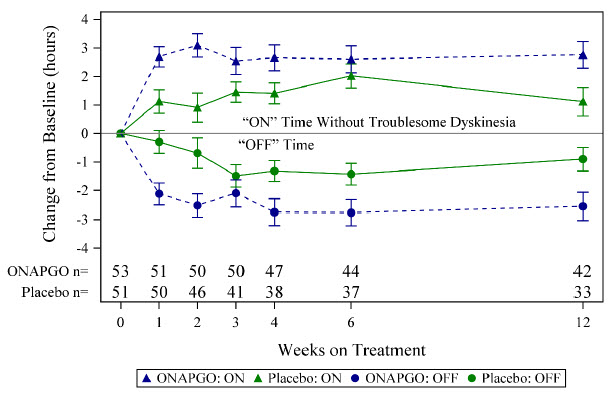
The primary efficacy endpoint for Study 1 was the change in total daily OFF time assessed from baseline to the end of the 12-week treatment period based on patient diaries. A key secondary endpoint was the change in daily ON time without troublesome dyskinesia from baseline to the end of the 12-week treatment period. There was a statistically significant reduction in the amount of daily OFF time in patients treated with ONAPGO compared to placebo (p=0.0114; see Table 2). There was also a statistically significant increase in daily ON time without troublesome dyskinesia in patients treated with ONAPGO compared to placebo (p=0.0188; see Table 3).
In addition, the time course showed numerically greater improvement in daily OFF time and daily ON time without troublesome dyskinesia in patients treated with ONAPGO compared to placebo, at all post-baseline timepoints (Figure 1).
Figure 1: Mean Change from Baseline in Daily OFF Time and ON Time Without Troublesome Dyskinesia
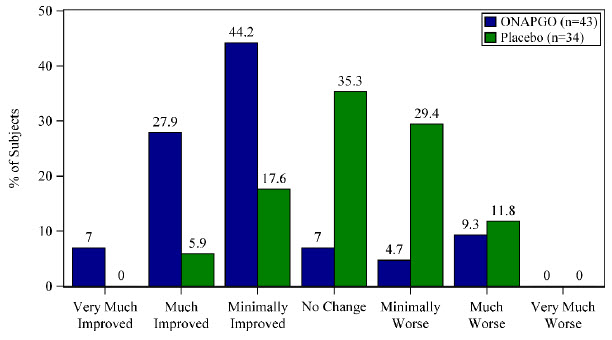
A patient reported outcome, the Patient Global Impression of Change (PGIC) was also assessed. The PGIC evaluates the change in Parkinson's disease symptoms as perceived by the patient in a seven-point single-item scale ranging from 'very much worse' to 'very much improved' (Figure 2).
Figure 2: Week 12 Patient Global Impression of Change
16 HOW SUPPLIED/STORAGE AND HANDLING
16.1 How Supplied
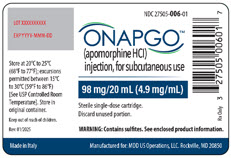
ONAPGO injection is supplied as one carton (NDC 27505-006-05) that contains five single-dose prefilled glass cartridges (NDC 27505-006-01), each containing 98 mg/20 mL (4.9 mg/mL) apomorphine hydrochloride as a clear, almost colorless solution.
The ONAPGO Pump Kit, ONAPGO Cartridge Holders, and appropriate infusion sets are supplied separately.
16.2 Storage and Handling
Store at 20°C to 25°C (68°F to 77°F); excursions permitted between 15°C to 30°C (59°F to 86°F) [see USP Controlled Room Temperature].
17 PATIENT COUNSELING INFORMATION
Advise the patient to read the FDA-approved patient labeling (Patient Information and Instructions for Use).
Administration Information
Refer patients to the Instructions for Use for complete administration instructions. Inform patients of aseptic technique and of subcutaneous administration site selection and rotation [see Dosage and Administration (2.4)].
Advise patients that a new single-dose cartridge and cartridge holder and a new infusion line should be used each day.
Advise patients that ONAPGO is intended only for subcutaneous use and must not be given intravenously because of the risk of serious complications, such as thrombus formation and pulmonary embolism due to crystallization [see Warnings and Precautions (5.1)] .
Hypersensitivity/Allergic Reactions
Advise patients that hypersensitivity/allergic reactions characterized by urticaria, rash, pruritus, and/or various manifestations of angioedema may occur because of ONAPGO or any of its excipients, including a sulfite (i.e., sodium metabisulfite). Inform patients with a sulfite sensitivity that they may experience various allergic-type reactions, including anaphylactic symptoms and life-threatening asthmatic attacks [see Warnings and Precautions (5.13)] . Advise patients who experience any hypersensitivity/allergic reaction to ONAPGO that they should not take ONAPGO again [see Contraindications (4)].
Nausea and Vomiting
Advise patients that they may experience nausea and vomiting, which may be severe. Advise patients that their ONAPGO dosage may be adjusted to start at 1 mg/hr, and titration can be based upon effectiveness and tolerability. Treatment with an antiemetic that is a non-5HT 3antagonist may be used if needed. Oral trimethobenzamide 300 mg 3 times per day for 3 days prior to starting ONAPGO infusion has been used in clinical studies to help lessen these symptoms. Advise patients that ONAPGO taken with trimethobenzamide may increase the risk for somnolence, dizziness, and falls, and to consult their healthcare provider before discontinuing trimethobenzamide [see Warnings and Precautions (5.2)].
Falling Asleep Suddenly and Sedation/Sleepiness
Alert patients to the potential sedating effects of ONAPGO, including somnolence and falling asleep while engaged in activities of daily living. Instruct patients not to drive a car or engage in other potentially dangerous activities until they have gained sufficient experience with ONAPGO to gauge whether or not it affects their mental and/or motor performance adversely. Advise patients that if increased somnolence or episodes of falling asleep during activities of daily living (e.g., watching television, passenger in a car, etc.) occur, they should not drive or participate in potentially dangerous activities until they have contacted their physician [see Warnings and Precautions (5.3)].
Hypotension/Orthostatic Hypotension
Advise patients that they may develop postural (orthostatic) hypotension with or without symptoms such as dizziness, nausea, syncope, and sometimes sweating. Hypotension and/or orthostatic symptoms may occur more frequently during initial therapy or with an increase in dose at any time (cases have been seen after months of treatment). Instruct patients to rise slowly after sitting or lying down while using ONAPGO. Inform patients that alcohol and nitroglycerin (and possibly other vasodilators and antihypertensive medications) may worsen the potential effects of hypotension caused by ONAPGO [see Warnings and Precautions (5.4)]. Instruct patients ideally to lie down before taking sublingual nitroglycerin and to remain supine and avoid standing for at least 45 minutes after nitroglycerin. Instruct patients to avoid alcohol while using ONAPGO.
Falls
Alert patients that they may have increased risk for falling when using ONAPGO [see Warnings and Precautions (5.5)].
Infusion Site Reactions and Infections
Inform patients that infusion of ONAPGO may result in infusion site reactions, including, but not limited to, nodules, erythema, bruising, and infection. Infusion site infections were reported in <5% of patients on ONAPGO in clinical trials [see Warnings and Precautions (5.6)and Adverse Reactions (6.1)] . Instruct patients to change the infusion site every day and to observe proper aseptic technique [see Dosage and Administration (2.4)and Instructions for Use] .
Hallucinations and/or Psychotic-Like Behavior
Inform patients that ONAPGO may cause hallucinations or other manifestations of psychotic-like behavior. Advise patients to inform their healthcare provider if they have a major psychotic disorder or are taking any treatments for psychosis. Patients with a major psychotic disorder should also be aware that many treatments for psychosis may decrease the effectiveness of ONAPGO [see Warnings and Precautions (5.7)] .
Dyskinesia
Inform patients that ONAPGO may cause and/or exacerbate pre-existing dyskinesia [see Warnings and Precautions (5.8)].
Hemolytic Anemia
Inform patients and caregivers that hemolytic anemia may occur and to contact their healthcare provider if they develop any signs or symptoms [see Warnings and Precautions (5.9)] .
Impulse Control/Compulsive Behaviors
Patients and their caregivers should be alerted to the possibility that they may experience intense urges to spend money uncontrollably, intense urges to gamble, increased sexual urges, binge eating and/or other intense urges and the inability to control these urges while using ONAPGO [see Warnings and Precautions (5.10)].
Cardiac Events
Inform patients that ONAPGO may cause cardiac (and cerebral) ischemia, and these outcomes could possibly be related to significant hypotension/orthostatic hypotension [see Warnings and Precautions (5.11)].
QTc Prolongation and Potential for Proarrhythmic Effects
Alert patients that ONAPGO may cause QTc prolongation and might produce proarrhythmic effects that could cause torsades de pointes and sudden death. Palpitations and syncope may signal the occurrence of an episode of torsades de pointes [see Warnings and Precautions (5.12)].
Priapism
Advise patients that ONAPGO may cause prolonged painful erections and that if this occurs, they should seek medical attention immediately [see Warnings and Precautions (5.15)]
ONAPGO is manufactured for MDD US Operations, LLC, 9715 Key West Ave., Rockville, MD 20850.
MDD US Operations, LLC is a subsidiary of Supernus Pharmaceuticals, Inc.
ONAPGO is a trademark of BRITUSWIP LTD.
All trademarks are the property of their respective owners.
© 2026 MDD US Operations, LLC, a subsidiary of Supernus Pharmaceuticals, Inc.
RA-ONG-V2
RA-ONG-PPI-V1
Patient
INSTRUCTIONS FOR USE
ONAPGO™ (on-AP-goh)
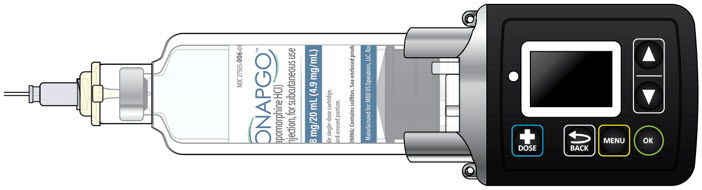
This Instructions for Use contains information on how to use the ONAPGO Infusion System.
Please see the Important Safety Informationsection below, the Full Prescribing Information, and the Patient Information for ONAPGO.
MDD US Operations, LLC
ONAPGO Infusion System
The ONAPGO Infusion Pump is for the subcutaneous infusion of ONAPGO (apomorphine hydrochloride). ONAPGO is a prescription medicine used to treat motor fluctuations in adults with advanced Parkinson's disease (PD).
Only use the ONAPGO Infusion Pump if you have received instruction and training on how to correctly and safely use it. If you cannot use ONAPGO by yourself, contact your healthcare provider.
Only the accessories supplied by CANÈ S.p.A. (plastic cartridge holder and supplies provided in the infusion pump kit) may be used in conjunction with this pump. The pump must be set (programmed) by a trained healthcare provider or a trained nurse provided by the company (clinical nurse navigator).
Below are common terms used throughout this Instructions for Use.
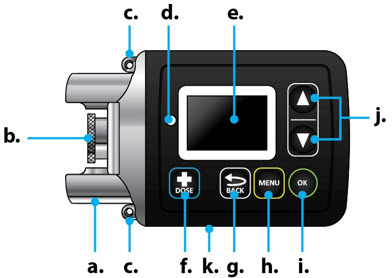
- Pump:controls the rate and amount of ONAPGO delivered to the body. It is programmed by a healthcare provider based on the patient's prescription. The pump displays the status of medicine delivery.
- Priming:refers to the task of removing all air from the infusion line (fluid pathway) before the infusion line is connected to the body.
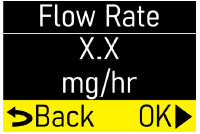
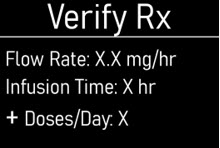
- Flow Rate:the constant flow of ONAPGO given to the body over an extended period of time. The flow rate is expressed as milligrams per hour (mg/hr).
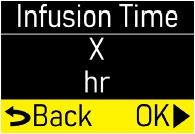
- Infusion Time:the total time that ONAPGO is infused per day.
-
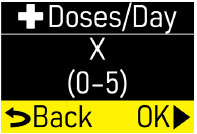
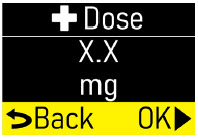
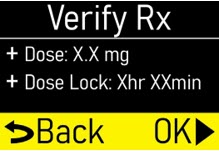
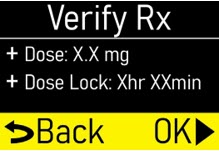
Extra Dose (+ Dose):a boost of ONAPGO (bolus dose) given over a short period of time in addition to the prescribed flow rate. Your healthcare provider will decide the number of extra doses that you could have each day. Your healthcare provider might prescribe an extra dose to be used as follows:
- when you start the infusion each day, which can help the medicine work faster.
- when you restart your medicine after not having it for 1 hour or more.
- if you have an OFF episode during an infusion.
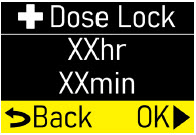
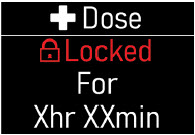
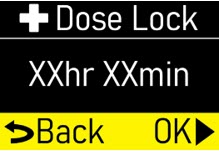
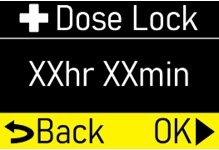
- Extra Dose (+ Dose) Lock:the amount of time before another extra dose can be given.
- Pump Settings:the patient's prescribed Flow Rate, Maximum Infusing Time Per Day, + Dose Quantity, + Dose Volume, and + Dose Lock. These settings can only be changed by a healthcare provider or clinical nurse navigator.
- Read this entire Instructions for Use before using the infusion system.
If any of the information is not clear, or if you have any questions, please contact Customer Support at 1-833-3ONAPGO (1-833-366-2746). - Understanding how to use the pump and the potential alarms will help you avoid harm.
- You may hear motor noise when the pump is On and delivering ONAPGO. This noise is normal and means the pump is working correctly.
-
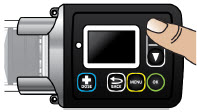
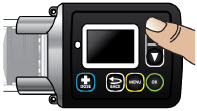
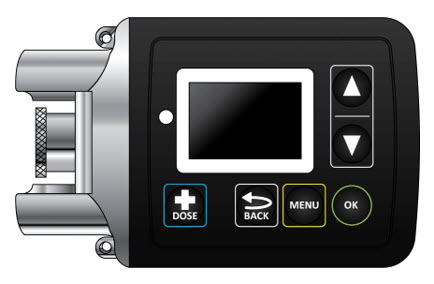
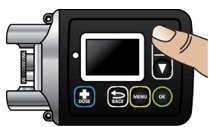
The pump screen falls asleep (goes dark) after 30 seconds of inactivity. Press the UP ARROW button (
) to wake up the screen.Image

Failure to follow the warnings and precautions below could cause return of your symptoms, damage to the pump, serious injury, or may lead to death in rare cases.

- Always check that the pump settings match the prescription before starting an infusion.
See the Check Pump Settings section on pages 14 to 18 for how to check the pump settings to make sure they are correct. If any of these settings do not match the prescription, contact your healthcare provider and/or clinical nurse navigator. - The patient should receive no more than 98 mg of ONAPGO every 24 hours. This corresponds to one complete cartridge per day. Only use the pump with ONAPGO (apomorphine hydrochloride). ONAPGO comes in a glass cartridge that contains 98 mg/20 mL (4.9 mg/mL) of medicine. Only use the pump system within the temperatures on page 13 and other conditions for use in this Instructions for Use. Using the medicine and pump outside of these conditions may result in a system alarm.
- Only use the pump with the supplied plastic cartridge holder. Any other cartridge holder could damage the pump and cause harm. Any non- approved cartridge holder voids warranty. MDD US Operations, LLC or its manufacturer is not responsible for any damages or injuries that happen if a different cartridge holder is used.
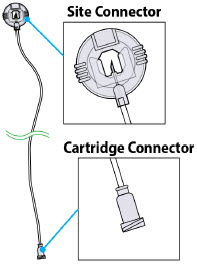
- Use the infusion set that is provided by your specialty pharmacy. The use of an inappropriate infusion set can cause loss or leakage of drug. Use a new infusion set at the beginning of every infusion. Ask your healthcare provider and/or clinical nurse navigator for more information.
- Do notprime the infusion line when it is connected to the body.
- Do notinsert the cannula into a blood vessel.
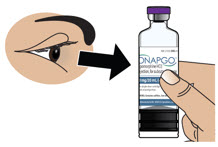
- If the medicine is cloudy, green, or contains particles, throw the glass drug cartridge in a sharps disposal container. (See the Disposalsection on page 73 for information on how to safely throw away ONAPGO). Get a new cartridge for your infusion.
- Clean the top of the glass drug cartridge with a new alcohol wipe before attaching the plastic cartridge holder.
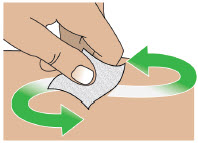
- Always clean the selected infusion site with a new alcohol wipe. Make sure the site is dry before going on to the next step.
- Before starting your infusion, check for any leaks. Do notuse the pump if there are leaks. Contact Customer Support at 1-833-3ONAPGO (1-833-366-2746).
- Be careful when handling the infusion set to prevent needle sticks.
- Supplies included with your pump could pose a choking hazard for small children. Make sure that the pump and all supplies are kept away from small children.
- Supplies included with your pump (such as the infusion line) could pose a strangulation hazard. Arrange the infusion line to minimize the risk of strangulation. Make sure that these parts are stored in a secure place when not in use.
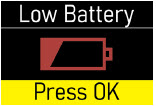
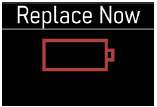
- Throw away (discard) the battery if it becomes damaged. Use a new, unopened battery. See Replacing the Battery section on pages 81 to 85 (Steps 17.1 through 17.9) for instructions on how to replace the battery.
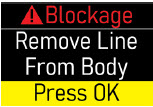
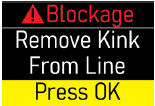
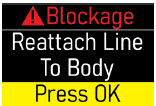
- The pump can detect a blockage in the line. If a partial blockage occurs, the pump will work the way it should until the line has a full blockage. An alarm will sound if the line has a full blockage.
- Be sure to disconnect the infusion line from the body before clearing a blockage alarm. If a blockage alarm is cleared while the infusion line is still attached, you may receive a small amount of additional medicine. See the Alarms and Troubleshooting section on page 91.
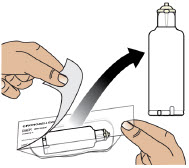
- Confirm that the plastic cartridge holder and infusion line packaging are sealed and have not been damaged. If the packaging looks damaged, throw it away in a sharps disposal container, and do not use it for your infusion. See the Disposal section on page 73 for information on how to safely throw away ONAPGO. Use a new, undamaged product.
- If the battery becomes hot, do not continue with your infusion and call Customer Support at 1-833-3ONAPGO (1-833-366-2746).
- If your glass drug cartridge breaks while assembled in the plastic cartridge holder, do not separate it from the plastic cartridge holder. Disconnect the assembled cartridge from the pump and throw both away in a sharps disposal container. See the Disposal section on page 73 for information on how to safely throw away ONAPGO.
- Do notsnag or kink the infusion line while wearing the pump. Snagging or kinking the infusion line can cause a blockage (occlusion) or an interruption to the infusion.
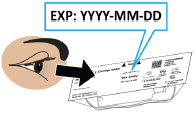
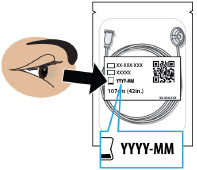
- Always check the expiration date on the infusion set, plastic cartridge holder and glass drug cartridge prior to use. Do notuse expired materials.
- Do notuse expired or rechargeable batteries with the pump.
- If the glass drug cartridge is dropped, it should not be used and should be thrown away in a sharps disposal container.
- If the pump gets wet, pause the infusion, disconnect the infusion line from the body, and store the pump in a dry place. This includes when swimming, showering, or excessively sweating.
- If your ONAPGO pump has expired, do not use it. Call your healthcare provider and/or clinical nurse navigator for a replacement of your ONAPGO pump.

- Do notuse sharp objects to press the pump buttons. Only use your fingertips to press the pump buttons.
- Do notuse a damaged pump. If you have any concern about the correct functioning of the pump, or how to respond to an error, contact Customer Support at 1-833-3ONAPGO (1-833-366-2746).
- Read the infusion set Instructions for Use before using the infusion line.
- All pump settings, including sounds, are locked for your safety.
- Do notattempt to change the pump's prescribed settings. These can only be changed by a healthcare provider and/or clinical nurse navigator.
- Do notdisconnect the infusion line from the plastic cartridge holder while the pump is infusing.
- Only clean the infusion site with an alcohol wipe. Do not clean the infusion site with or apply disinfectants, perfumes, deodorants, or lotions to it.
- Free-flow is if gravity causes the drug to come out of the cartridge. The pump's pusher is made to have a secure connection with the rubber plunger in the cartridge to prevent free flow of the drug.
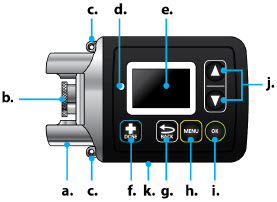
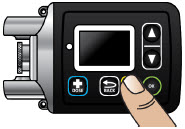
All buttons will respond with a single press. If the screen is dark, press the UP ARROW button (


The following table shows icons that appear on the pump screen.


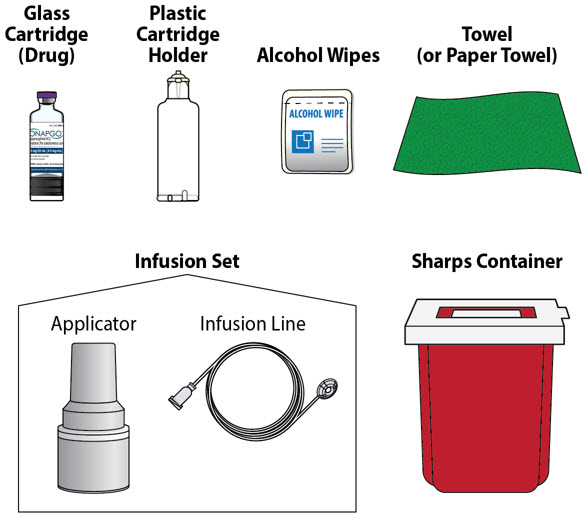
Additional supplies not in the pump kit include (Figure E):
Storage
Store the glass drug cartridges at room temperature between 68°F to 77°F (20°C to 25°C). Store in the original container.
If the pump will not be used for 1 month or more, remove the battery. See Replacing the Battery section on pages 81 to 85 (Steps 17.1 through 17.9) for instructions on how to remove the battery.
Store the pump in a dry place between -13°F to 158°F (-25°C to 70°C).
Keep the pump away from:
- Children and pets.
- Sources of heat or cold such as radiators, burners, stoves, freezers, or other heat or cold sources. Ask your healthcare provider or clinical nurse navigator if you are not sure.
- Direct sunlight.
- Strong electromagnetic fields such as magnets, speakers, and mobile devices.
- Ionizing radiation, a type of device for radiotherapy or diagnostic radiology.
- Ultrasound devices.
- Magnetic Resonance Imaging (MRI) devices. The pump should not be used with an MRI.
If you are not sure about what to keep your pump away from, please contact your Customer Support at 1-833-3ONAPGO (1-833-366-2746).
Important Information You Need to Know Before Infusing ONAPGO
This Instructions for Use is for patients, caregivers, and healthcare providers or clinical nurse navigators and describes how to use the infusion system.
- The Instructions for Use are important for the safe and correct use of this infusion system.
- Read the entire Instructions for Use before using the infusion system.
Check the Pump Settings
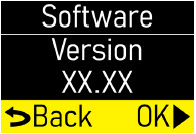
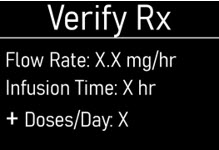
Confirm your pump settings match your prescription by doing the following steps.



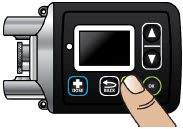

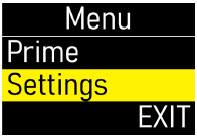

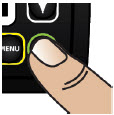







Set Up the Pump
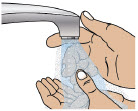

Step 2.3
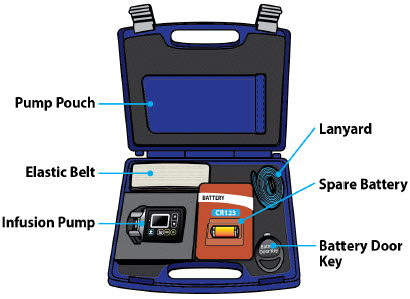
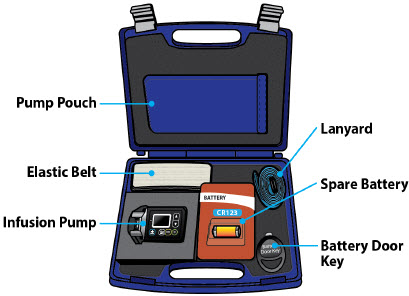
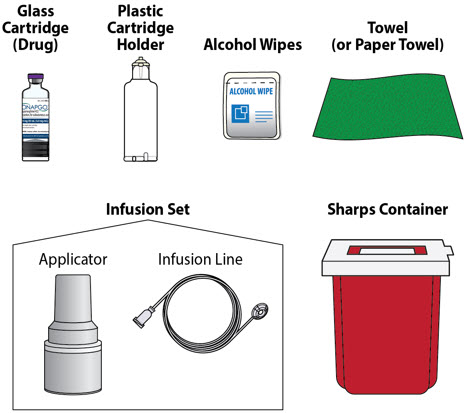
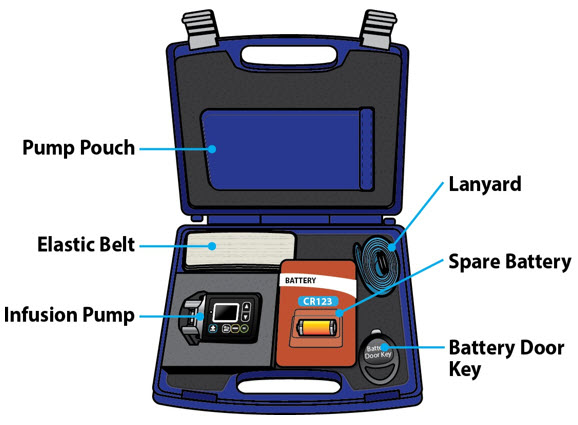
Take the blue case and open it (Figure AB). Gather the additional supplies not included in the case (Figure AC).
Infusion System Kit Supplies Included in the Case (Figure AB):
- Pump Pouch
- Elastic Belt
- Pump
- Lanyard
- Spare Battery
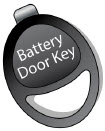
- Battery Door Key
Additional Supplies Not Included in the Case (Figure AC):
- Glass Drug Cartridge (Sterile)
- Plastic Cartridge Holder (Sterile)
- Infusion Set Parts (Sterile)
- Alcohol Wipes
- Towel (or Paper Towels)
- Sharps Disposal Container. See the Disposal Section on page 73 for information on how to safely throw away ONAPGO.


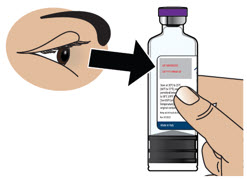
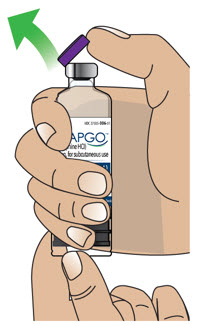
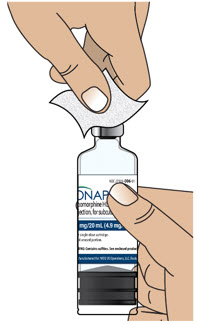
Important Information

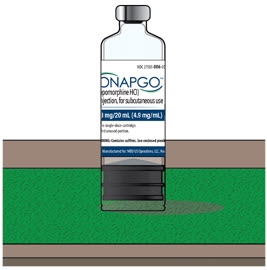
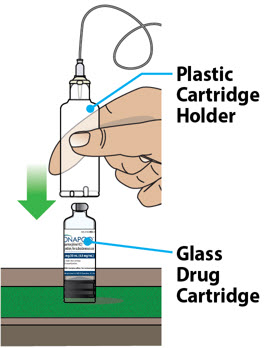
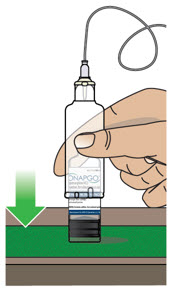
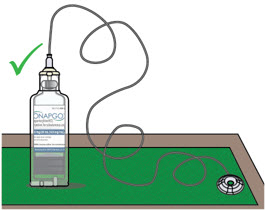
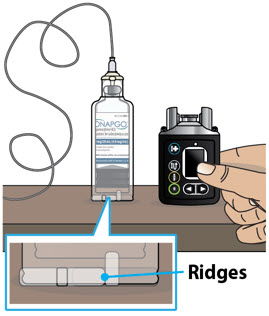
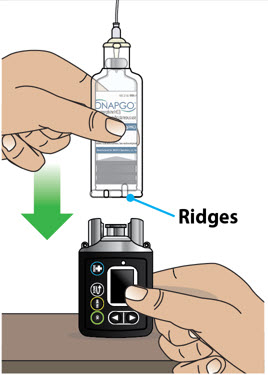
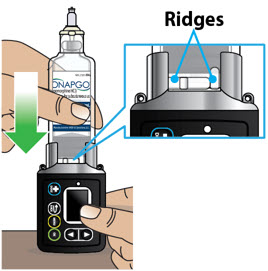
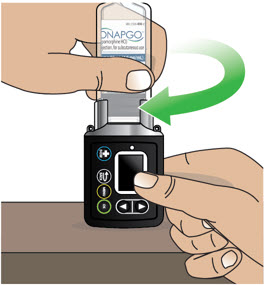
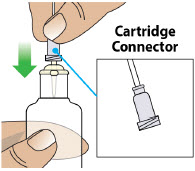
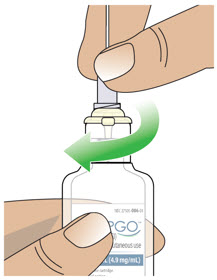
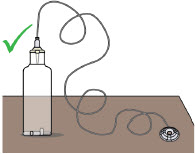
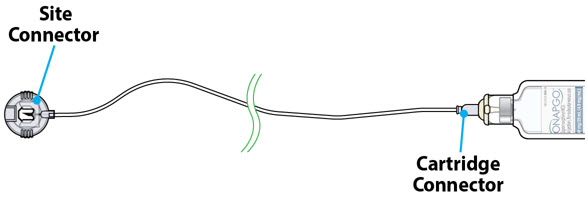
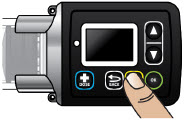
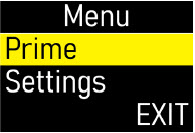
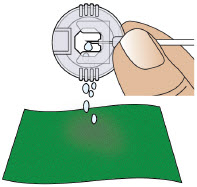
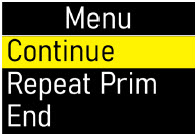
Priming the infusion line (Figure BA) pushes liquid through the system to remove all air from the glass drug cartridge and infusion line. All air must be removed from the system before the infusion line is connected to the infusion site on the body.


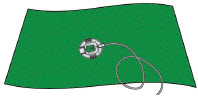






Important Information






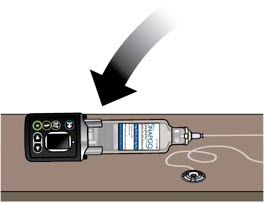
Prepare the Infusion Site
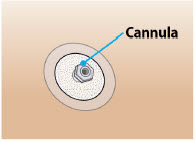
You will insert the cannula (a small tube that allows the medicine to be delivered) into the selected infusion site.
Important Information


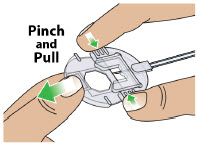
Note:If the infusion line is dropped or dirty, throw away (discard) the infusion line.


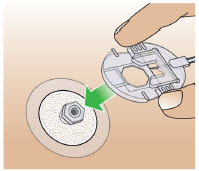
Connect the Infusion Line to Body
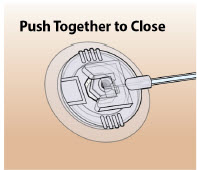
Start the Infusion

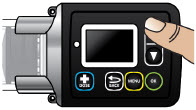




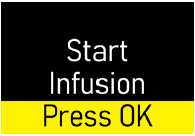

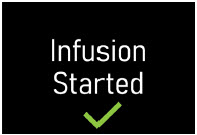
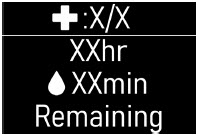
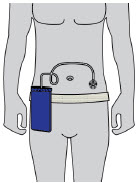
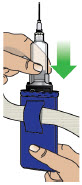
Wear the Pump
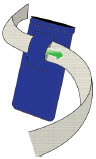
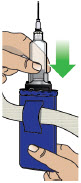

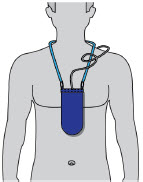
Using the Neck Lanyard


Reading the Pump Screen
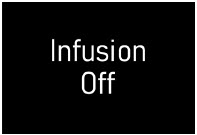
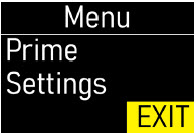
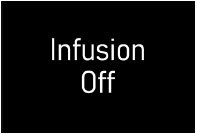
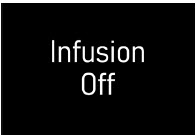
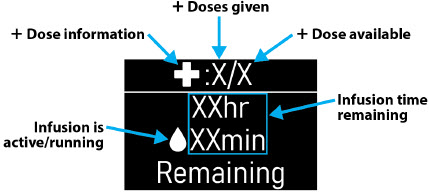
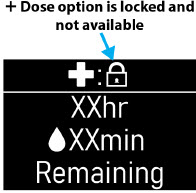
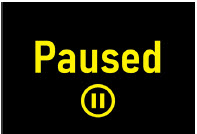
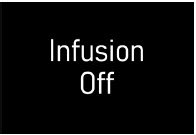
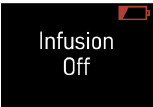
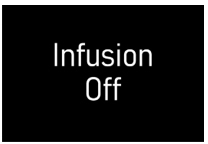
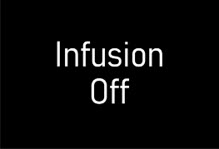
There are 4 main modes for the pump: On (Infusing Screen), Paused, Primed, and Infusion Off. Each mode is described below.

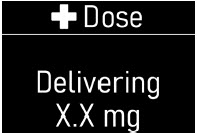
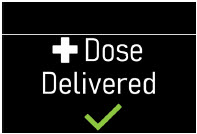
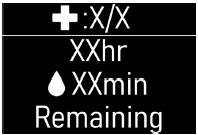
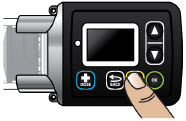
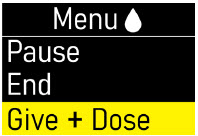
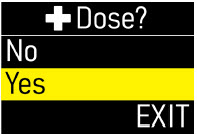
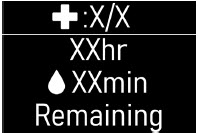
Give a +Dose (Extra Dose)
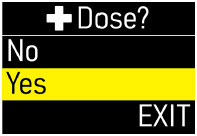
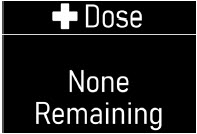
An extra dose ( +Dose) is only available if it has been prescribed by the healthcare provider. If an extra dose ( +Dose) has NOT been prescribed, skip this section.
Note:An extra dose ( +Dose) can only be given after the pump has been primed and while the pump is infusing.

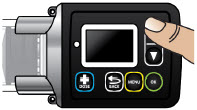

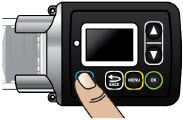









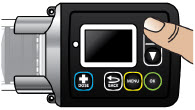
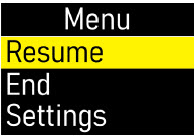
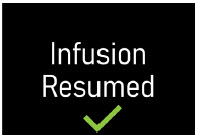
Pause and Resume the Infusion
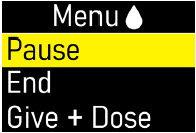
If the pump is at risk of getting wet, pause the infusion, disconnect the infusion line from the body, and store the pump in a dry place. This includes swimming, showering, or excessive sweating.






Ending the Infusion
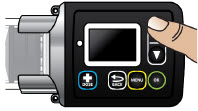
The infusion will run for the programmed amount of time, or it can be ended early.



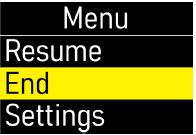


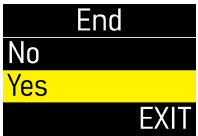



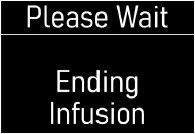


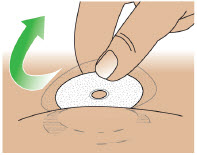
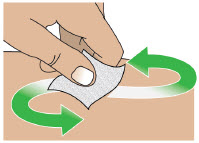

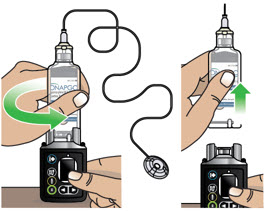

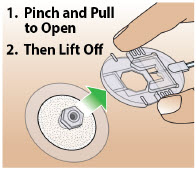
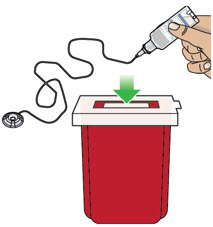
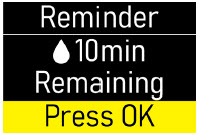
Note:If the plastic cartridge holder detaches from the glass drug cartridge when removing, continue to remove the plastic cartridge holder. Set aside the plastic cartridge holder and remove the glass drug cartridge by pulling it up and off the pump. Continue to Step 13.11.

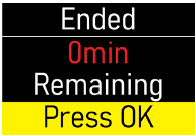


Disconnecting in an Emergency
If you are having a medical emergency, follow the steps below to disconnect from the pump.
Disposal
At the end of the expected life of the pump, contact Customer Support at 1-833-3ONAPGO (1-833-366-2746) for information and instructions about safe pump disposal.
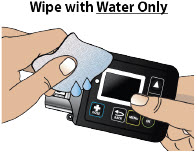
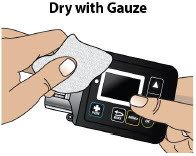
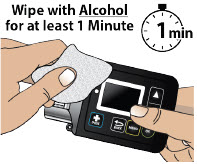
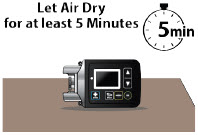
Cleaning and Disinfecting the Pump
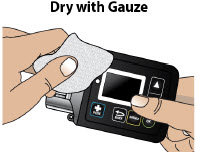
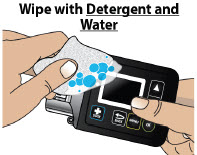
The pump is a reusable device and should be cleaned and disinfected whenever you see any traces of dirt.
Follow the instructions below and on the following pages for cleaning and disinfecting the pump.








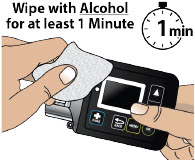
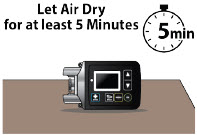
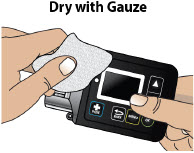


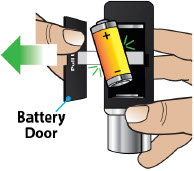
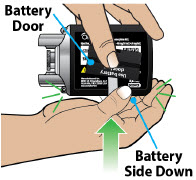
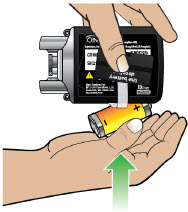
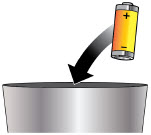
Replacing the Battery
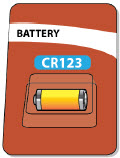
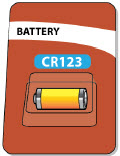
Always have a replacement lithium CR123A battery available for use.


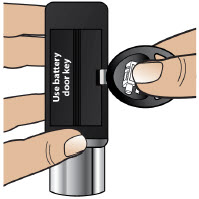
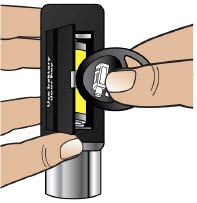
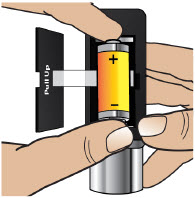
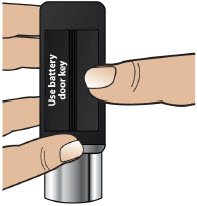
To replace the battery, follow these steps:


Alarms and Troubleshooting
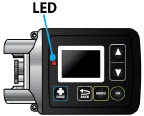
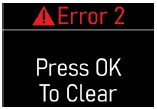
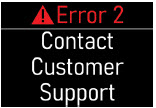
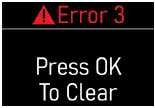
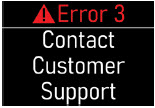
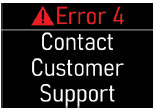
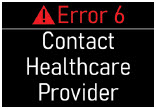
An error code will display on the screen if there is something wrong with the pump. You will hear a beep when there is an error code, and the LED next to the screen may light up. The table below gives an overview of the possible error codes that may happen, what they mean, and what to do to fix them.
If the corrective actions provided below do not fix the issue, contact Customer Support at 1-833-3ONAPGO (1-833-366-2746).











Symbols Used on the ONAPGO Pump


Technical Characteristics of the Pump
Electromagnetic Compatibility
This section prescribes the correct environments for use in accordance with the declared regulations on electromagnetic compatibility.
Reference Standards
The electromagnetic compatibility tests were carried out in accordance with the following standards:
- IEC 60601-2-24:2012 (medical electrical equipment)
- IEC 60601-1-2:2014 (medical electrical equipment)
Electromagnetic Emissions
The manufacturer's declarations and requirements are set out below:
Electromagnetic Immunity
The manufacturer's declarations and requirements are set out below:


Recommended Separation Distances from Radio Frequency Devices
Portable radio frequency communication devices (including external antennas and their cables) may interfere with the pump if they are too close to it. These include mobile and cordless phones, LAN routers and intercom systems for children.
To avoid electromagnetic interference, use the pump at a distance at least 30 cm from such devices.
Tests of Accuracy
The accuracy of pump delivery has been evaluated based on tests carried out during an infusion in accordance with the following standards:
- IEC 60601-2-24:2012 (medical electrical equipment)
Note:The pump and drug cartridge have only been tested with Cleo90 infusion set which is recommended for use. Alternative accessories and extensions may cause inaccuracies in flow rate.
The total administrable volume of the drug is a maximum of 20 mL, and the drug concentration is 98 mg/20 mL (4.9 mg/mL). The flow rate programming increment is 0.5 mg per hr. The maximum infusion programming time is in increment of one hour. The accuracy of the pump was tested for a flow rate between 1.0 mg and 8.0 mg per hour. (See the Prescribing Information for recommended dosage). The flow rate stabilizes within minutes from initiation of the infusion, remains stable and delivers accurately for the duration of infusion as described in the technical specifications provided.
Limited Warranty
The pump is covered by a manufacturer's warranty for three (3) years. After this period, the manufacturer shall not be responsible for any repairs.
The manufacturer shall not be liable for damage to persons or property after a pump lifetime of three (3) years.
Contact & Support
For help and additional information on the pump or system, contact Customer Support at 1-833-3ONAPGO (1-833-366-2746).
Manufactured for:
MDD US Operations, LLC
a subsidiary of Supernus
Pharmaceuticals, Inc.
Rockville, MD 20850
MDD US Operations, LLC is the exclusive licensee and distributor of ONAPGO in the United States and its territories.
©2026. ONAPGO is a trademark of BRITUSWIP LTD. Version 16
This Instructions for Use has been approved by the U.S. Food and Drug Administration.
Revised: 6/2026
Healthcare Provider
INSTRUCTIONS FOR USE
ONAPGO™ (on-AP-goh)
This Instructions for Use contains information for healthcare providers on how to program the infusion pump to administer ONAPGO (apomorphine hydrochloride).
Please see the Important Safety Informationsection below, the Full Prescribing Information, and the Patient Informationfor ONAPGO.
MDD US Operations, LLC
ONAPGO Infusion System
The ONAPGO Infusion Pump is for the subcutaneous infusion of ONAPGO (apomorphine hydrochloride). ONAPGO is indicated for the treatment of motor fluctuations in adults with advanced Parkinson's disease (PD).
It must be used only by individuals who have received instruction and training on its operations and on the correct, safe procedures. If patients are unable to give treatment independently, they must be given assistance and supervision.
Only the accessories supplied by CANÈ S.p.A. (plastic cartridge holder and supplies provided in the infusion pump kit) may be used in conjunction with this pump. The pump must be programmed by an adequately trained healthcare provider and/or a Supernus Pharmaceuticals/MDD US Operations clinical nurse navigator.
Below are the common terms used throughout this Instructions for Use.
- Pump:controls the rate and amount of ONAPGO delivered to the body. It is programmed with the patient's prescription and displays the status of medicine delivery.
- Priming:refers to the task of removing all air from the infusion line (fluid pathway) before the infusion line is connected to the body.
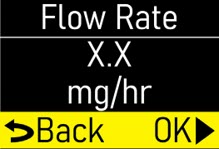
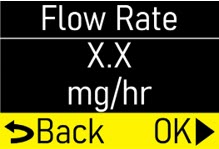
- Flow Rate:the constant flow of ONAPGO given to the body over an extended period of time. The flow rate is expressed as milligrams per hour (mg/hr).
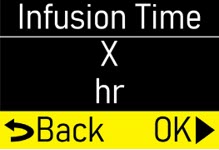
- Infusion Time:the total time that ONAPGO is infused per day.
- Extra Dose (+ Dose):a boost of ONAPGO (bolus dose) given over a short period of time in addition to the prescribed flow rate.
- Extra Dose (+ Dose) Lock:the amount of time before another extra dose can be given.
- Pump Settings:the patient's prescribed Flow Rate, Maximum Infusing Time Per Day, +Dose Quantity, +Dose Volume, and +Dose Lock. These settings can only be changed by a healthcare provider and/or a clinical nurse navigator.

- Do notgive a patient a pump without checking the prescription. Always check that the pump Settings match the patient's prescription before giving the pump to a patient.
- Do notstart an infusion without confirming the patient's prescription. If the pump settings do not match the prescription, do not allow the patient to use the pump. Reprogram the pump to match the prescription.
- Do notgive a patient more than 98 mg of ONAPGO over a 24-hour period.
- Do notdisclose the pump's security codes or other information to the patient. It would allow them access to the programming functions.
- Use ONAPGO drug cartridges with the ONAPGO pump only.

- Do notuse sharp objects to press the pump buttons. Only use your fingertips.
- Do notuse a damaged pump. If you have any concerns about the correct functioning of the pump, and/or how to respond to an error contact your customer support representative.
All buttons will respond with a single press. If the screen is dark, press the UP ARROW (


The following table shows icons that appear on the pump screen.







Programming the ONAPGO Pump
The pump cannot be programmed while infusing.
The pump settings should be programmed according to the patient's prescription before they receive the pump.
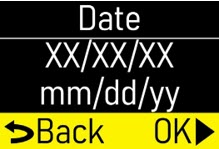
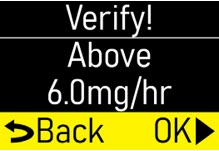
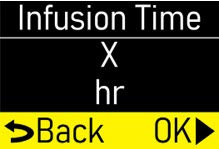
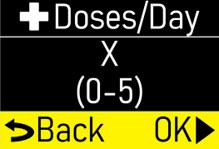
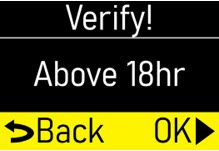
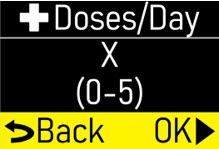
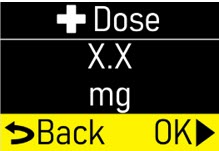
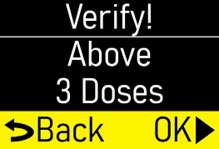
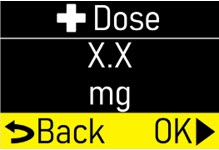
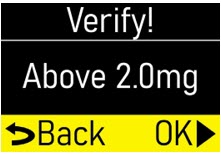
When programming the pump, a flashing value is one that you may edit. The table below describes the default pump settings and range of values to which the pump can be programmed. See the Prescribing Information for the recommended dosage regimen, including the recommended flow rate (i.e., 1 mg/hr to 6 mg/hr), infusion time (i.e., generally over 16 waking hours), and extra doses (i.e., no more than 3 per day).



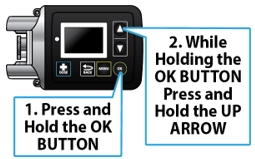

Important Information:

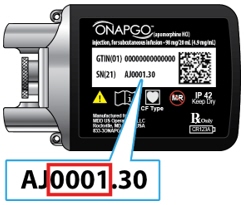




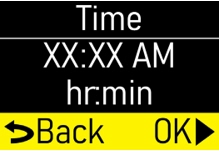
If this is the first time the pump will be programmed, the existing values will reflect the default factory settings (Page 8).
For any subsequent programming, the values will reflect the previously programmed patient prescription.
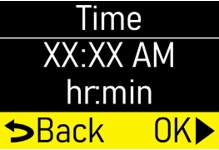
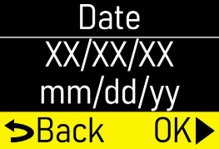
The settings will need to be changed to match the time, date, and patient's prescription.































Symbols Used on the ONAPGO Pump


Note:The symbols displayed on the product label are reduced and simplified compared to the specifications in the reference standard CENELEC EN50419.
Limited Warranty
The pump is covered by a manufacturer's warranty for three (3) years. After this period, the manufacturer shall not be responsible for any repairs.
The manufacturer shall not be liable for damage to persons or property after a pump lifetime of three (3) years.
Contact & Support
For help and additional information on the pump or system, contact Customer Support at 1-833-3ONAPGO (1-833-366-2746).
Manufactured for:
MDD US Operations, LLC a
subsidiary of Supernus Pharmaceuticals, Inc.
Rockville, MD 20850
MDD US Operations, LLC is the exclusive licensee and distributor of ONAPGO in the United States and its territories.
©2026. ONAPGO is a trademark of BRITUSWIP LTD. Version 10
This Instructions for Use has been approved by the U.S. Food and Drug Administration.
Revised: 6/2026
PRINCIPAL DISPLAY PANEL - 20 mL Cartridge Carton
ONAPGO™
(apomorphine HCl)
injection, for subcutaneous use
NDC 27505-006-05
Rx Only
98 mg/20 mL (4.9 mg/mL)
Single-dose cartridge.
Discard unused portion.
Package contains 5 x 20 mL cartridges
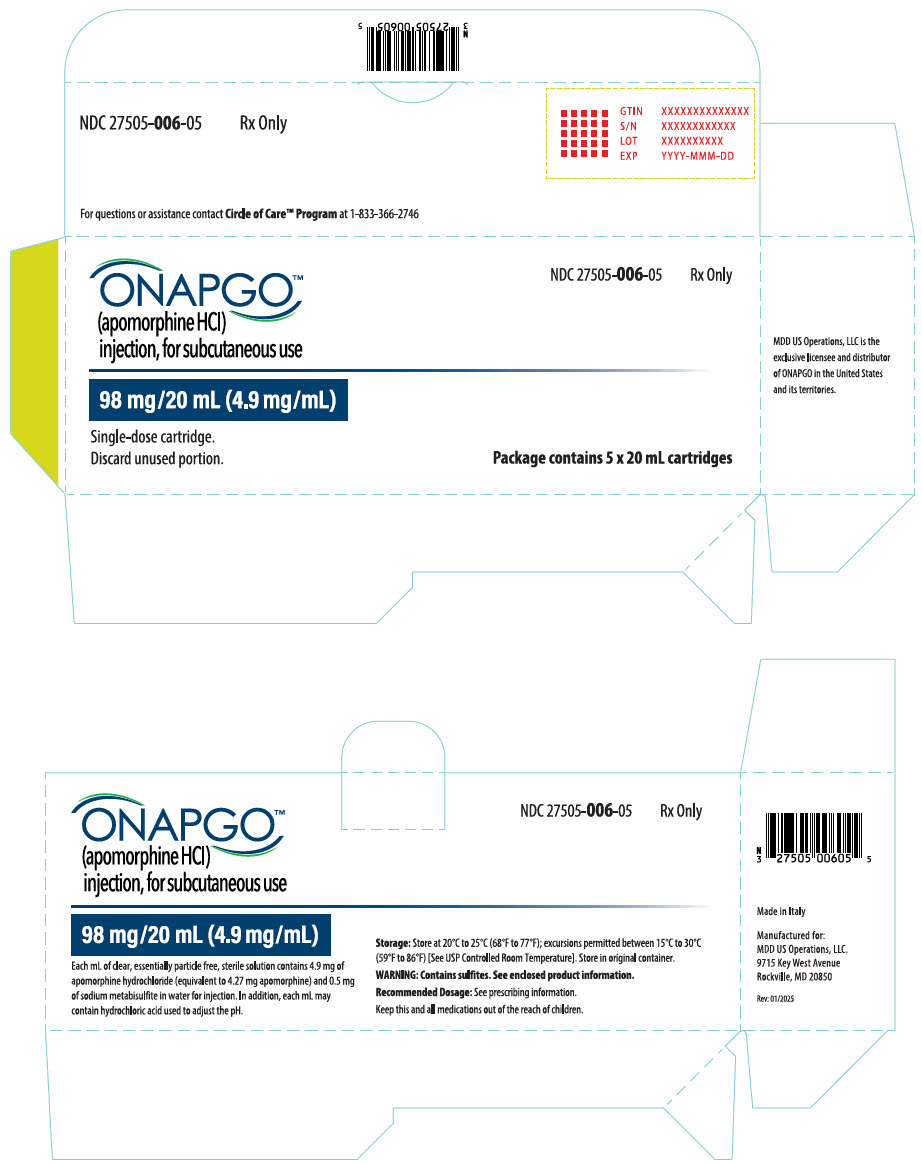
Guideline Central and select third party use “cookies” on this website to enhance the user experience.
This technology helps us gather statistical and analytical information to optimize the relevant content for you.
The user also has the option to opt-out which may have an effect on the browsing experience.