Design and created by Guideline Central in participation with the American Society of Addiction Medicine.
Safely Stopping or Reducing Benzodiazepines
A Guide for Patients and Families
American Society of Addiction Medicine
Publication Date: September 25, 2025
OVERVIEW AND BACKGROUND
- Benzodiazepines are commonly used medications. However, medication needs may change over time. Some medications may help for a short time but can be harmful when used longer term. You or your healthcare provider may consider tapering your benzodiazepine medication if:
- Continuing the medication puts you at risk for harm
- There are other treatments available that are likely to be safer or more effective for you
- You no longer need the medication to manage your health concerns
- Benzodiazepines are a type of sedative medication approved to treat a wide range of conditions, including but not limited to:
- Anxiety disorders and panic attacks
- Sleep disorders
- Seizures
- Spasticity
- These medications are usually taken orally (by mouth as a tablet or liquid). Examples of benzodiazepines include:
- clonazepam (Klonopin)
- alprazolam (Xanax)
- diazepam (Valium)
- flurazepam
- chlordiazepoxide (Librium)
- triazolam
- lorazepam (Ativan)
- temazepam (Restoril)
- clorazepate
- oxazepam
- In 2023, nearly 24 million people in the US reported taking benzodiazepines.
- Although these medications may be effective for a short period of time, other treatments may be safer and equally or more effective for longer-term use.
- For most health conditions, you should typically limit benzodiazepine use to 2–4 weeks.
- Nearly everyone who takes benzodiazepines regularly (daily or nearly every day) for more than a month will develop physical dependence, even when taking the medication as prescribed.
Physical dependence is not the same as a substance use disorder, or addiction.
Almost everyone who takes benzodiazepines regularly for more than a month will develop physical dependence, even when the medication is taken as prescribed.
- Physical dependence is different from a substance use disorder, or addiction.
- Physical dependence occurs when your body adapts to the presence of benzodiazepines such that you experience withdrawal symptoms when reducing or stopping the medication.
- While unlikely, some patients may experience withdrawal symptoms after as little as two or three weeks of regular benzodiazepine use.
- This patient guide focuses on the tapering of benzodiazepines. Tapering means gradually reducing the dosage of a medication rather than abruptly stopping.
- Tapering benzodiazepines often takes months. For some patients it may take years.
- If you have been taking benzodiazepines regularly for more than a month you may have developed physical dependence. Do not stop taking the medication abruptly. Work with your healthcare provider to slowly reduce your dose to minimize withdrawal symptoms.
Many people can taper benzodiazepines without significant problems. However, you may feel worried about the tapering process. Withdrawal symptoms such as sleep disturbance and anxiety are significant concerns. Talk to your healthcare provider about your concerns. There are many ways they can help.
BENZODIAZEPINES OVERVIEW
Benzodiazepines Effects on the Brain
- Benzodiazepines bind to specific receptors in the brain, known as benzodiazepine receptors. These receptors slow down the activity of the brain which can reduce anxiety, help people sleep, and prevent seizures.
- When benzodiazepines are regularly used, the brain adjusts by reducing the number and activity of benzodiazepine receptors. As a result, you develop tolerance. This means the same dose of the medication is no longer as effective.
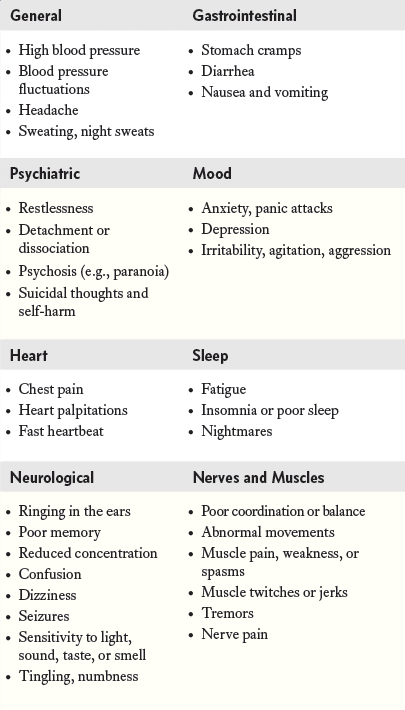
- The changes in the brain that lead to tolerance can also cause physical dependence. Because the activity of those receptors is turned down you may experience withdrawal symptoms when you stop or quickly reduce the dose of your benzodiazepines. Withdrawal symptoms can include anxiety, insomnia, seizures, and others (see Figure 2).
- Withdrawal symptoms may overlap with the symptoms the benzodiazepine was treating (e.g., anxiety, insomnia. See Figure 2). Your healthcare provider will work with you to determine if your symptoms are caused by withdrawal or another health condition.
- Slowly tapering the medication gives your brain time to adjust. As you slowly reduce the dose of benzodiazepines the benzodiazepine receptors begin to return to normal.
FIGURE 1. BENZODIAZEPINE EFFECTS ON BRAIN
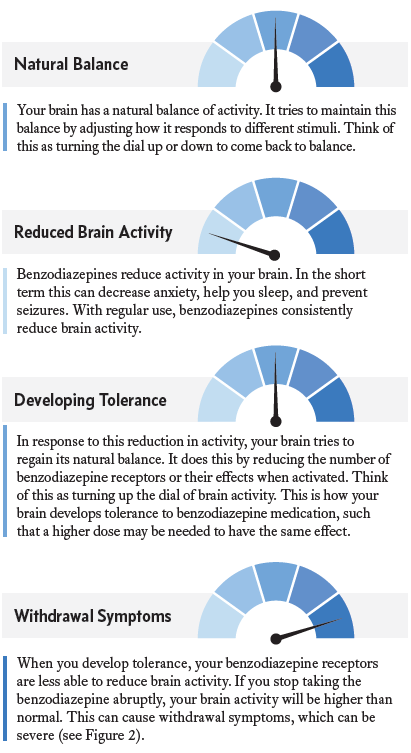
TABLE 1. POTENTIAL BENEFITS AND RISKS OF CONTINUED BENZODIAZEPINE USE AND TAPERING
- Effective management of mental and physical health conditions
- Functional or quality of life improvements
- Excessive drowsiness or tiredness (oversedation)
- Falls and related injuries
- Memory problems
- Problems focusing
- Car accidents
- Interactions with other medications
- Disrupted sleep
- Physical dependence and risk for withdrawal
- Tolerance and risk for reduced medication effectiveness over time
- Negative impact on other physical or mental health conditions
- Overdose, especially when combined with alcohol or other substances (e.g., opioids)
- Substance use disorder
- Pregnancy complications
- Withdrawal symptoms (see Figure 2) or protracted withdrawal (i.e., withdrawal symptoms that last even after completing the taper)
- Negative impact on other physical or mental health conditions
- Recurrence of physical or mental conditions the benzodiazepine was originally prescribed to treat
TAPERING
When to Taper
- When you are prescribed benzodiazepines, your healthcare provider should regularly assess the risks and benefits of the medication. They may recommend tapering the medication if the risks outweigh the benefits for you.
- Talk with your healthcare provider about tapering if:
- You are concerned about your risks related to benzodiazepines
- You have experienced harm related to benzodiazepines (e.g., a fall, memory problems, car accident, unexplained physical or mental health symptoms)
- You do not know whether the medication is still helping you
IMPORTANT
Tapering Basics
- Your healthcare provider should work with you to develop a strategy for slowly reducing the medication in the safest way possible.
- The goal is to lower the dose slowly to minimize withdrawal symptoms.
- People respond differently to reductions in their benzodiazepine dose. Some may experience more withdrawal symptoms than others and need to taper more slowly.
- As the dose gets lower, withdrawal symptoms may get worse, and smaller dose reductions may be necessary.
- Every person is different, so your healthcare provider should work with you to adjust your tapering strategy based on your symptoms.
- Benzodiazepine tapering is almost always managed in an outpatient setting such as a doctor’s office or health clinic.
Before Beginning a Benzodiazepine Taper
- Before you begin tapering the benzodiazepine medication, talk to your healthcare provider about:
- The tapering process
- Your options for reducing your dose
- Your concerns about tapering
- What to expect as you reduce your benzodiazepine dose, including potential withdrawal symptoms
- How to adjust the tapering strategy if you experience withdrawal symptoms
- Your healthcare provider may also talk with you about your options for managing the health condition(s) the benzodiazepines were originally prescribed to treat. For many conditions—such as anxiety or insomnia—alternative treatments are available that are safer and may be equally or more effective longer-term.
- Your healthcare provider may also coordinate with other healthcare providers who have recently prescribed benzodiazepines or similar medications for you.
Patience and consistency are important.
It may take months or even a year or more to fully taper off the medication.
Tapering Process
- The process of gradually reducing the dose of the benzodiazepine over time allows the brain to slowly adjust and helps to reverse physical dependence. This also reduces the risk and severity of withdrawal symptoms.
- Your healthcare provider may recommend that you gradually switch to a longer-acting benzodiazepine. They are more likely to recommend switching if you are taking certain short-acting benzodiazepines, such as Xanax (alprazolam). A longer-acting benzodiazepine may provide more steady levels in the body and fewer withdrawal symptoms.
- An initial reduction of 5%-10% of the current total daily dosage is a common starting point.
- In most cases, the dosage reduction should not exceed 25% within a 2-week period.
- Your healthcare provider should carefully monitor your signs and symptoms after each dose reduction.
- It is important to talk to your healthcare provider about any symptoms you may experience. Adjustments are an important part of the process.
- If you experience significant withdrawal symptoms, your healthcare providers should work with you to adjust the tapering strategy. They may recommend:
- Smaller dose reductions
- Making dose reductions less often
- Pausing or temporarily stopping dose reduction
- Temporarily returning to the previous higher dose (this is less common)
- Counseling or therapy, such as cognitive behavioral therapy, can help support you during the tapering process. Support groups involving other people undergoing benzodiazepine taper may also help.
HOW LONG DOES IT TAKE TO COMPLETE BENZODIAZEPINE TAPERING?
- Usually benzodiazepine tapering takes longer when:
- You have been taking the medication for a long time
- You are taking higher doses of the medication
- However, this is not always the case. People respond differently to reducing their benzodiazepine dose. Some will need to go slower than others.
- Some patients who have been taking high doses of benzodiazepines for years have minimal problems with tapering at a relatively fast rate (15–25% every 2–4 weeks). Others who have been taking a low dose of benzodiazepines for only a month or two experience significant withdrawal symptoms even when tapering slowly (5% every 2–4 weeks).
MANAGING WITHDRAWAL
- You should check in with your healthcare provider throughout the tapering process and discuss withdrawal symptoms you are experiencing.
- After reducing your dose, it may take up to a week for withdrawal symptoms to occur.
- Tell your healthcare provider about any intolerable withdrawal symptoms right away.
- Withdrawal symptoms may increase as you get close to the end of the taper.
- In some cases, withdrawal symptoms may continue even after the taper is complete. This is known as protracted withdrawal.
FIGURE 2. SOME POTENTIAL WITHDRAWAL SIGNS AND SYMPTOMS
Protracted Withdrawal
- Some patients may experience withdrawal symptoms that continue after fully stopping benzodiazepines. This is known as protracted withdrawal.
- Common symptoms include anxiety, depression, memory problems, sleep disturbances, muscle cramping or twitching, and others (detailed in Figure 2).
- Some patients may also experience neurological symptoms including difficulty with memory and focus, sensitivity to lights and sounds, strange skin sensations, and ringing in the ears, among others.
- More research can help us understand:
- How long-term use of benzodiazepines impacts the brain
- How to prevent the development of protracted withdrawal problems
- Better treatments for these problems
- If you experience withdrawal symptoms more than a month after discontinuing benzodiazepines, talk with your healthcare provider about whether you might have protracted withdrawal.
TAPERING CHALLENGES
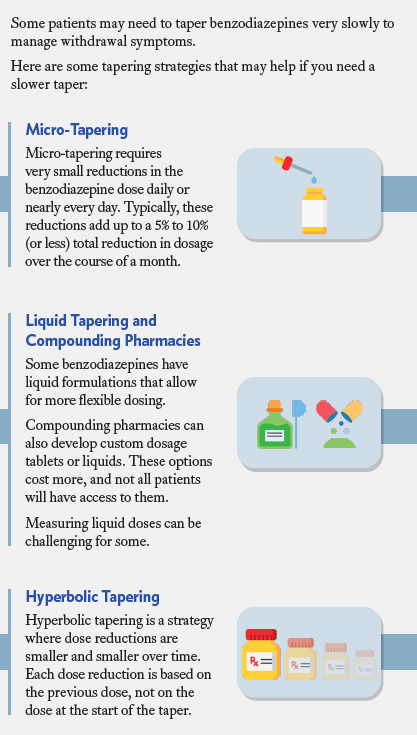
- If you experience challenges with tapering, your healthcare provider will first recommend slowing or temporarily pausing the taper. If this is not effective, your healthcare provider may recommend additional treatments, including counseling, therapy, or other medications. In general, your healthcare provider may try to avoid other medications that impact benzodiazepine receptors.
- Try to avoid skipping any doses during the tapering process, as this can worsen withdrawal.
- Some patients may experience withdrawal symptoms between doses depending on how quickly their body processes the medication. Talk to your health care provider if this is happening to you. Your provider may recommend switching to a longer-acting benzodiazepine or more frequent dosing to prevent withdrawal symptoms between doses.
Not all health care providers have specialized training or experience managing challenging benzodiazepine withdrawal. The guidelines and this patient pocket guide can help you advocate for your needs.
If you are experiencing tapering challenges you can consider working with a specialist such as a medical toxicologist, addiction psychiatrist, addiction medicine doctor, or psychiatric pharmacist.
FIGURE 3. TIPS FOR PEOPLE EXPERIENCING TAPERING CHALLENGES
SPECIAL CONSIDERATIONS
If You are Taking Benzodiazepines and Opioids
- If you are taking both benzodiazepines and opioids, you may be at increased risk for complications, including overdose.
- Consider talking to your healthcare provider about strategies to reduce your risks.
- You and your family members should keep opioid overdose reversal medication (e.g., Narcan/naloxone) on hand.
- Naloxone can reverse an opioid overdose. It is available with a healthcare provider’s prescription or without a prescription for purchase at many local pharmacies. Naloxone may also be distributed for free by community groups or your local health department.
If You Have or May Have a Substance Use Disorder
- You may have a substance use disorder if:
- You are continuing to take a substance despite its negative impact on your health, job, or relationships.
- You are taking prescription medication more frequently or in larger doses than prescribed.
- You are taking prescription medication to feel pleasure or enjoyment.
- You would like to stop or reduce substance use but find that you can’t (e.g., because of cravings).
- You’re considering buying pills from the internet or a dealer. Pills purchased outside a pharmacy can contain fentanyl and put you at risk for overdose and death.
- Talk with your healthcare provider if you’re concerned about your substance use. They may assess you for a substance use disorder or refer you to another healthcare provider for assessment.
- If you have a substance use disorder:
- Your healthcare provider may assess the risks and benefits of continued benzodiazepine use more frequently.
- You should receive treatment for the underlying substance use disorder while you are tapering the benzodiazepine.
- Your healthcare provider should coordinate care with a substance use disorder treatment provider.
- If you have a benzodiazepine use disorder:
- Tapering alone is not enough to treat a benzodiazepine use disorder. Talk to your health care provider so that you receive appropriate treatment.
- If you have been taking more benzodiazepines than prescribed or have a benzodiazepine use disorder you may be at higher risk for severe withdrawal.
- Your healthcare provider may recommend you receive treatment in a hospital or residential treatment setting.
- Severe withdrawal symptoms may include seizures, suicidal thoughts, psychosis, delirium, and more. The management of severe withdrawal is beyond the scope of this patient guide.
If You Have Mental Health Concerns
- It is important to talk with your healthcare provider if you have or think you may have a mental health condition, such as depression or anxiety disorder.
- Your healthcare provider may recommend that you begin or adjust treatment for any mental health conditions before benzodiazepine tapering begins.
- If it is not safe for you to wait to begin tapering, your healthcare provider may suggest you start or adjust treatment at the same time as the taper.
- Treatments may include therapy, such as cognitive behavioral therapy, or different medications, such as antidepressants.
- You may also find meditation, yoga, or support groups helpful during the tapering process.
- Your healthcare provider may recommend you taper benzodiazepines to reduce your risk for overdose.
- If you are not currently taking medication for opioid use disorder (e.g., methadone, buprenorphine, naltrexone) your healthcare provider may recommend you start one of these medications before beginning the benzodiazepine taper.
- Your use of benzodiazepines should not be used as a reason to deny you access to medication for opioid use disorder.
If You’re an Older Adult (65 or older)
- Older adults may experience higher risks when using benzodiazepines:
- Your body may process medications more slowly, causing you to be more sensitive to benzodiazepines.
- Many older adults take multiple medications for several conditions. These medications and/or conditions may interact, increasing health risks.
- These factors can increase the risk of negative outcomes such as memory problems, falls, and car accidents.
- If you are an older adult, talk to your healthcare provider about your risks and the potential benefits of tapering.
If You Are Pregnant or Breastfeeding
- If you are pregnant or breastfeeding and taking benzodiazepines, talk to your healthcare provider about the risks.
- In general, your healthcare provider may recommend other treatments (e.g., cognitive behavioral therapy, antidepressants) over benzodiazepines while you are pregnant.
- If you use benzodiazepines during pregnancy your healthcare provider should recommend the lowest possible effective dose. They may also monitor you more closely during this time.
- You can continue breastfeeding while taking benzodiazepines. Breastfeeding is typically encouraged for infants exposed to benzodiazepines during pregnancy as it may reduce their risk of withdrawal symptoms.
- If you used benzodiazepines during pregnancy, tell your infant’s pediatrician and other health care providers.
FAQ AND ADDITIONAL RESOURCES
Common Questions to Ask Your Healthcare Provider
- Talk with your healthcare providers. They can work with you to consider:
- Your risk for harm from taking benzodiazepines (e.g., memory problems, falls, car accidents, medication interactions, physical dependence)
- Whether you are benefiting from the medication
- If there are other treatments, including safer medications, that may be as or more effective for you
- If your risks are greater than your benefits, your healthcare provider may recommend you taper the benzodiazepine.
- Probably not. Tapering benzodiazepines can almost always be managed in outpatient settings.
- Chances are, if you have been taking benzodiazepines regularly for a month or more you have physical dependence. This means you should work with your healthcare provider to slowly reduce your dose (or taper), rather than stopping cold turkey. Talk with your healthcare provider about how to taper safely. Stopping suddenly can be dangerous when you have physical dependence on the medication.
- Check in with your healthcare provider after each dose reduction. Tell them about any symptoms you are experiencing. If you are experiencing withdrawal symptoms your healthcare provider can help. They may recommend that you:
- Pause the taper, or stay at the same dose for a couple more weeks
- Slow the taper, or make smaller dose reductions, less frequently
- In rare cases they may recommend that you temporarily return to your prior dose. They may also recommend additional treatment that may help such as counseling, therapy, or other medications.
- There is no set timeline. The length of time to taper safely will vary from person to person. It may take a couple of months or even a year or more.
- No. Physical dependence and addiction to medication are not the same. Nearly everyone who uses benzodiazepines regularly for more than a month will develop physical dependence. Less than 2% of individuals taking benzodiazepines develop a benzodiazepine use disorder. That said, talk to your healthcare provider if you are using more than your prescribed dose, if you are having trouble controlling how much you use, or if you think you may have a substance use disorder.
- There are other types of treatments, including therapy (e.g., cognitive behavioral therapy) and other medications, to help manage specific symptoms, such as anxiety or insomnia. These other treatments may be equally or more effective than benzodiazepines but carry less risk. Talk to your healthcare provider to see what alternatives are available.
Additional Resources
- EMPOWER Brochures
- https://www.deprescribingnetwork.ca/patient-handouts
- Maudsley Deprescribing Guideline: Antidepressants, Benzodiazepines, Gabapentinoids and Z-drugs
- https://www.benzoinfo.com/2024/02/05/the-maudsleydeprescribing-guidelines/
- Benzodiazepines: How They Work and How to Withdraw (The Ashton Manual).
- https://www.benzoinfo.com/ashtonmanual/
- Patient Handouts
- https://downloads.asam.org/sitefinity-productionblobs/docs/default-source/guidelines/benzodiazepinetapering-2025/how-to-help-your-patients-taper-frombenzodiazepines_021125-accessible.pdf?sfvrsn=76054a1c_4
- Benzodiazepine Cooperative Providers
- https://www.benzoinfo.com/doctors/
- Veterans Administration
- https://www.pbm.va.gov/PBM/AcademicDetailingService/Documents/Academic_Detailing_Educational_Material_Catalog/59_PTSD_NCPTSD_Provider_Helping_Patients_Taper_BZD.pdf
- National Institutes of Health
- https://pmc.ncbi.nlm.nih.gov/articles/PMC9047812/
Patient Advocacy Organizations
- Benzodiazepine Information Coalition (BIC)
- https://benzoinfo.com
- The Alliance for Benzodiazepine Best Practices
- https://benzoreform.org
- Uneven
- https://theunevenlife.com
Source Citation
The Joint Clinical Practice Guideline on Benzodiazepine Tapering. Available at: https://www.asam.org/quality-care/clinical-guidelines/benzodiazepine-tapering.
This clinical practice guideline has been endorsed by the American Academy of Neurology, the American Academy of Physician Associates, the American Association of Nurse Practitioners, the American Association of Psychiatric Pharmacists, the American College of Medical Toxicology, the American College of Obstetricians and Gynecology, the American Geriatrics Society, and the American Society of Addiction Medicine.
Disclaimer
This resource is for informational purposes only, intended as a quick-reference tool based on the cited source guideline(s), and should not be used as a substitute for the independent professional judgment of healthcare providers. Practice guidelines are unable to account for every individual variation among patients or take the place of clinician judgment, and the ultimate decision concerning the propriety of any course of conduct must be made by healthcare providers after consideration of each individual patient situation. Guideline Central does not endorse any specific guideline(s) or guideline recommendations and has not independently verified the accuracy hereof. Any use of this resource or any other Guideline Central resources is strictly voluntary.
Guideline Central and select third party use “cookies” on this website to enhance the user experience.
This technology helps us gather statistical and analytical information to optimize the relevant content for you.
The user also has the option to opt-out which may have an effect on the browsing experience.